




|| CGI LOUNGE MENU ||
Cinematic CGI across science, natural history, space, product, & defense.
|| CGI LOUNGE MENU ||
Cinematic CGI across science, natural history, space, product, & defense.
Two decades of high-end CGI across every subject a camera can't reach. From the inside of a living cell to the surface of Pluto, from prehistoric oceans to the deck of a modern carrier — each piece here is a full case study you can step into.
Explore the range: scientific and medical visualization that makes the invisible clear (Medical CGI); natural history brought back to life for Curiosity Stream, the Smithsonian Channel, and beyond (Ancient Oceans, Ancient Earth, Mass Extinction, Ancient Cities, Alien Deep); space and Earth cinematics for NASA and broadcast (The Year of Pluto, Earth Cinematic CGI); product and commercial work with photoreal precision (HP ZBook, Benelli USA); architectural and experiential environments (Audi Showroom, trade-show rendering); and defense visualization for the Smithsonian's Air Warriors.
Pick any tile to jump straight to that story —
how it was built, the pipeline behind it, and the final frames.
|| Medical CGI ||
3D Medical CGI animation.
|| Medical CGI ||
3D Medical CGI animation.
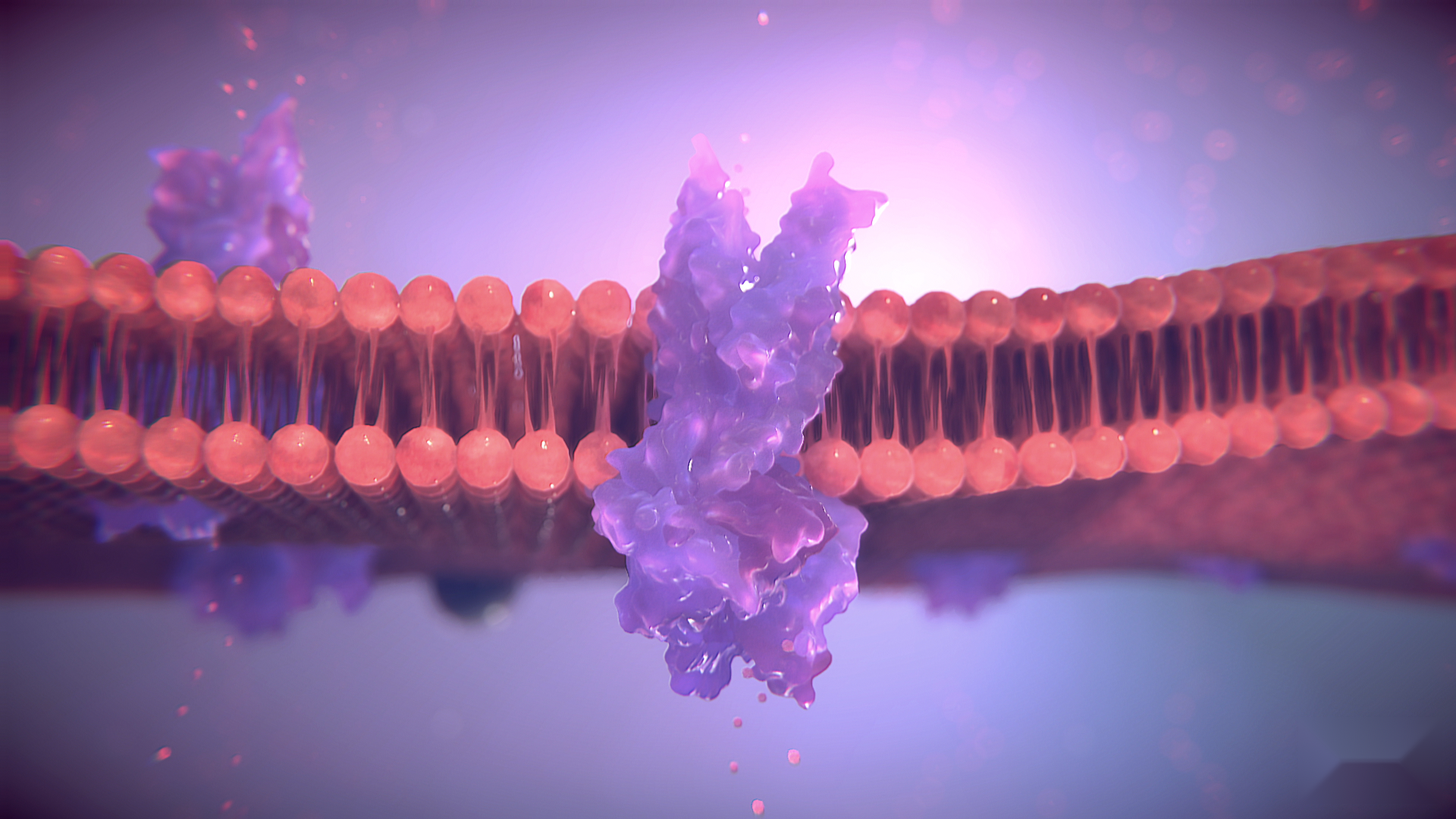
Medical Cgi animation and rendering work using Unreal Engine, Unity HDRP and Redshift for Pixeldust Studios.
Responsible for all final lighting, shading, rendering, sequencing, editing and final compositing.


Medical Human CGI montage reel.
Human body cgi medical work Web MD, CF Foundation from 2014 - 2022. Responsible for all animation, final lighting, shading, rendering and final compositing.


Medical Macro CGI montage reel.
Macro and molecular medical cgi work Web MD, CF Foundation from 2014-2022. Responsible for all animation, final lighting, shading, rendering and final compositing.


Genocea Biosciences — Immuno-Oncology Animation
A short-form scientific animation created for Genocea Biosciences (NASDAQ: GNCA), explaining their T cell–directed immunotherapy. The piece visualizes how the immune system's T-cells recognize and attack tumor cells, and how Genocea's ATLAS platform pinpoints the right antigen targets — turning an invisible cellular process into clear, cinematic CGI for investors, partners, and patients. The animation was produced at Pixeldust Studios.
My Role — CG/VFX Supervisor
I supervised the animation end to end: developing the visual approach for the cellular and molecular world, building and look-developing the hero T-cell and tumor-cell assets, and directing lighting, shading, and rendering for a photoreal-but-legible biological look. I oversaw the cellular dynamics and micro-environment, ran final compositing and color, and delivered the locked shots — keeping the science accurate while guiding the artists and holding the visual bar across the sequence.
Tools
Autodesk Maya, Unreal Engine, Cinema 4D, After Effects.
|| HP ZBook Commercial CGI ||
3D commercial CGI animation
|| HP ZBook Commercial CGI ||
3D commercial CGI animation
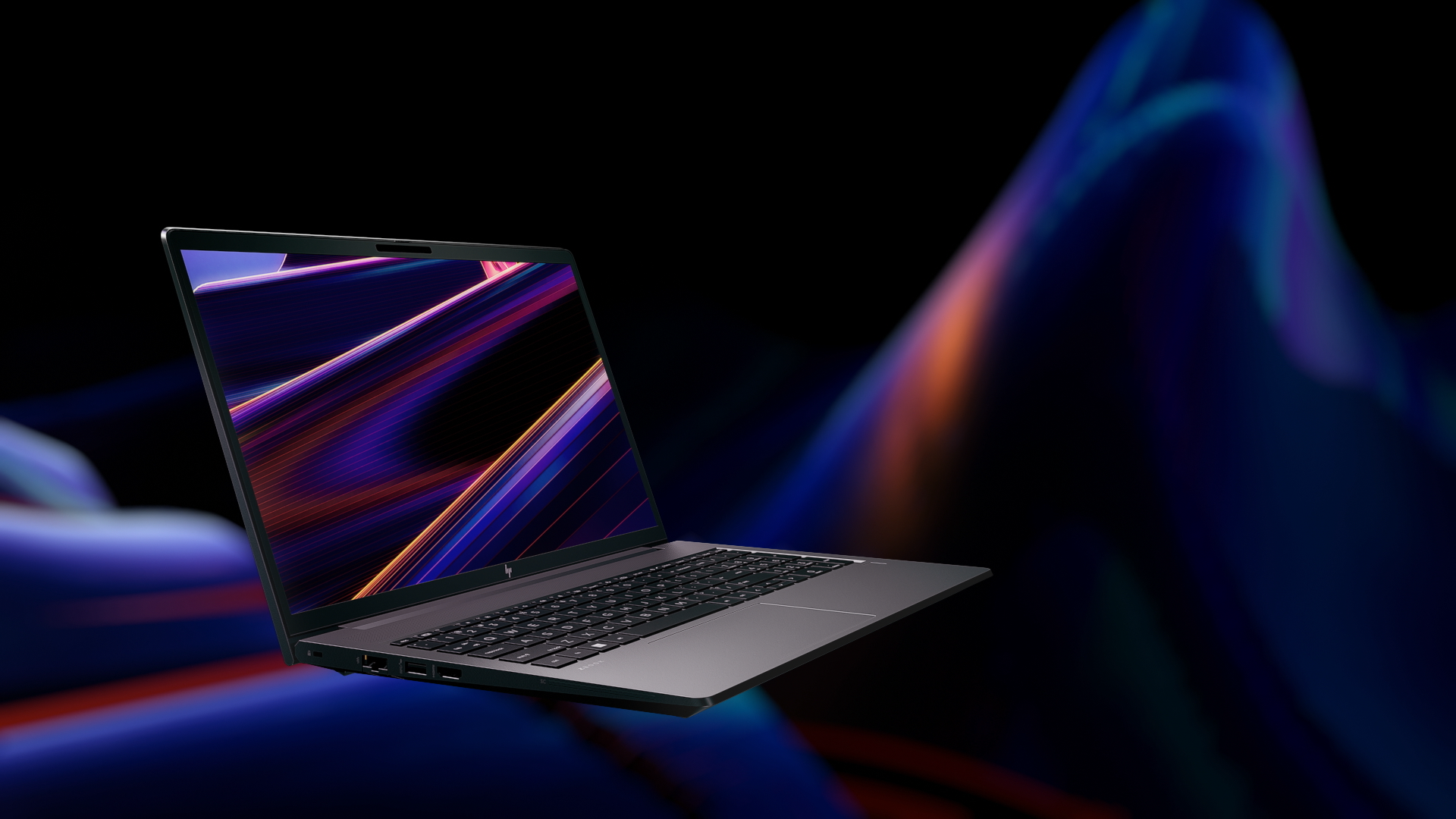
I worked as VFX Supervisor/lead for this amazing innovative 3d commercial for HP’s ZBook Power laptop. This project was done in partnership with Accenture & Pixeldust Studios. Responsible for all creative look development, lighting and rendering of environments and laptop adhering to Accenture’s specifications. This project was an extremely creative process from conceptualization to final finish, and explored many avenues and creative decisions to find ways to uniquely immerse the laptop and mirror its power & highlight features into responsive and dynamic environments!
The laptop was designed for architects and product designers specifically and hence it was key that the visuals resonated with the world that they live in. Lot of quality creative time was spent in look developing backgrounds and environments that were fabricated from shapes of buildings, structures and furniture. Using clever lighting and shading techniques, these resulting shapes and forms had to be revealed in an abstract form, in its optimum presence as the sequence progressed.
The laptop had to be visualized in various dyanmic angles, moods and lighting to capture its beautiful edgy features, and create an impactful cgi sequence that paralleled HP’s other signature Zbook commercials. Do check out the full length movies!


ULTRA DETAILED LAPTOP INTERIORS:
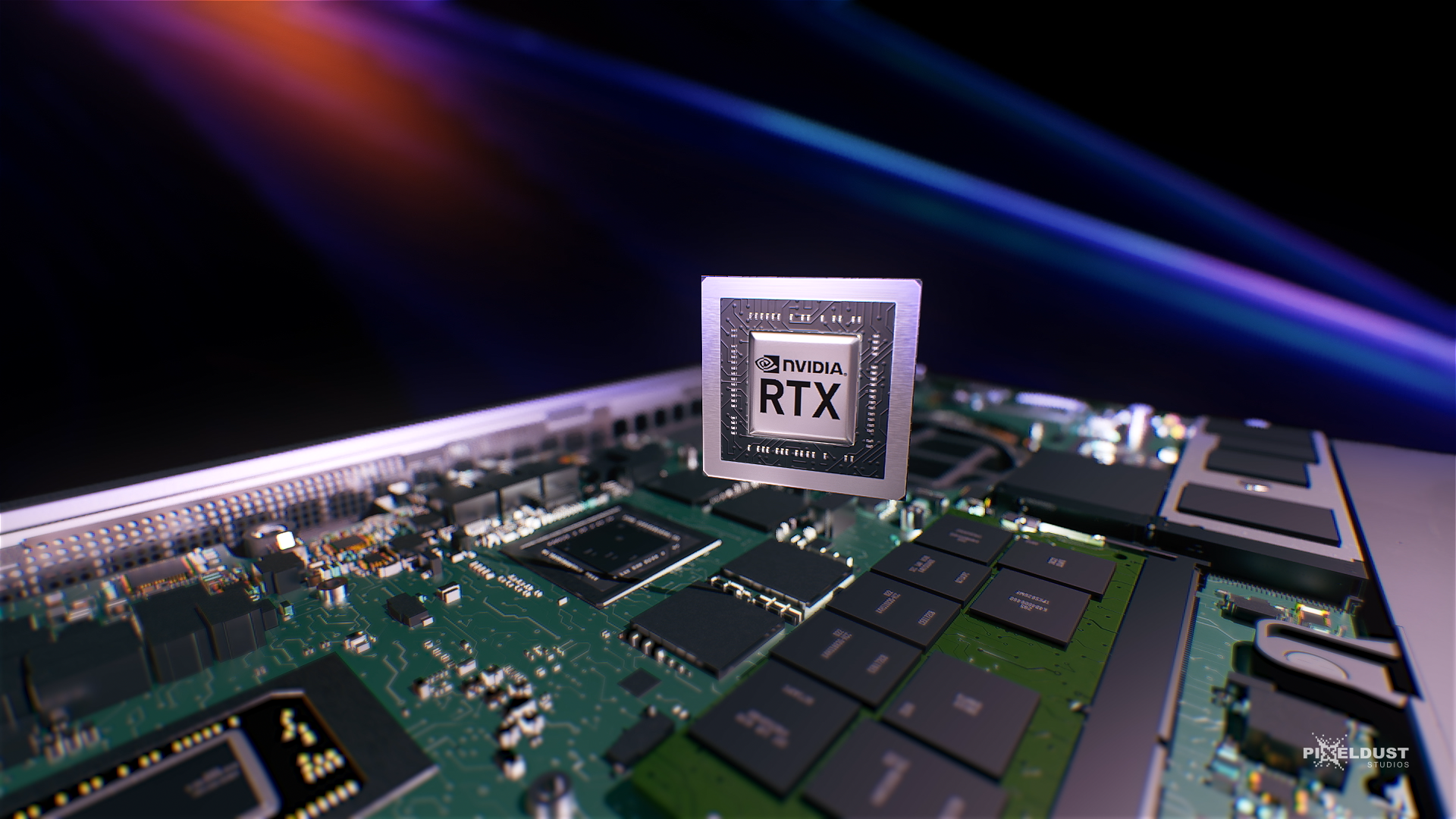
Another fascinating section of this sequence was the dynamic reveal of the laptop interiors. Micro-detailed features were rendered with precision and photo-realistic lighting and materials to visualize this circuit world thriving underneath the laptop hood! Using Unreal Engine 5 realtime RTX rendering it was possible to achieve high degree of render quality in efficient time frames and also facilitated quick iterations and tweaking for clients.



INITIAL LOOK DEVELOPMENT PROCESS:
These are some of the initial look dev renderings and conceptualizations for the environments that the laptop would thrive in. Lot of experiments were done with lighting, realistic PBR material surfaces, glassy reflections and color moods.


FINAL AMD ANIMATION:
FINAL INTEL ANIMATION:
SHOW LINKS:
|| Earth Cinematic CGI ||
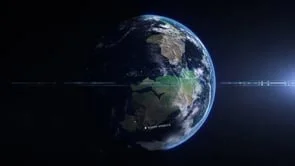
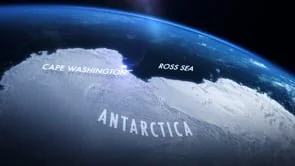
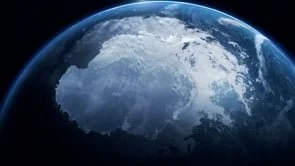
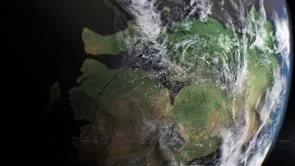
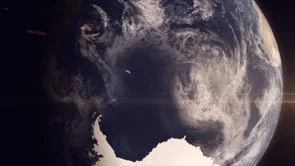
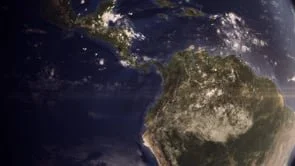
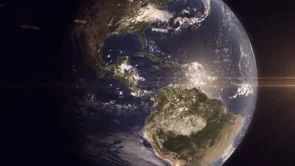
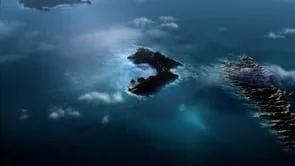
Cinematic Earth animations from space and aerial flyovers for various programs.
|| Earth Cinematic CGI ||
Cinematic Earth animations from space and aerial flyovers for various programs.
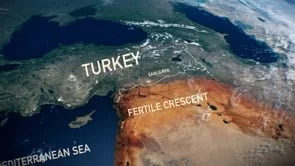
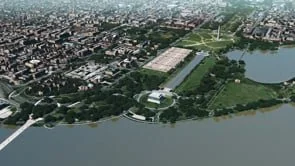
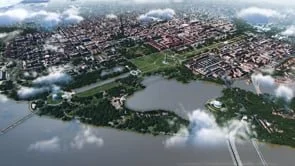
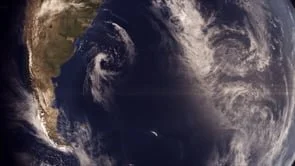
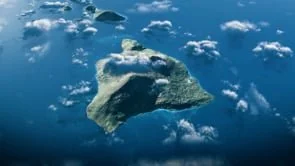
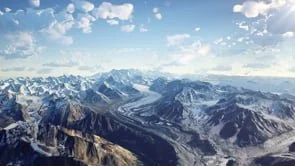
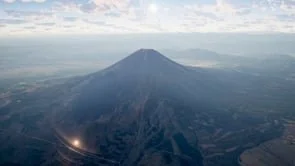
Here i present some of my most cinematic photoreal shots of earth in cgi from various epic angles and lighting, done as part of various shows for broadcast for National Geographic, PBS, Discovery, Pixeldust Studios to name a few. Also included some photoreal dynamic cgi aerial flyovers of different locations.
Responsible for cgi earth creation, developing lighting/shading final compositing and camera animations. Hope you enjoy!


|| Ancient Oceans : Curiosity Stream ||
|| Ancient Oceans : Curiosity Stream ||
ANCIENT OCEans : CURIOSITY STREAM
WINNER OF Emmy AWARD AS ANIMATION DIRECTOR/CG SUPERVISOR @ the 2019 62nd CAPITAL EMMYS MAY 2020 : LINK
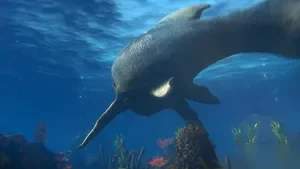
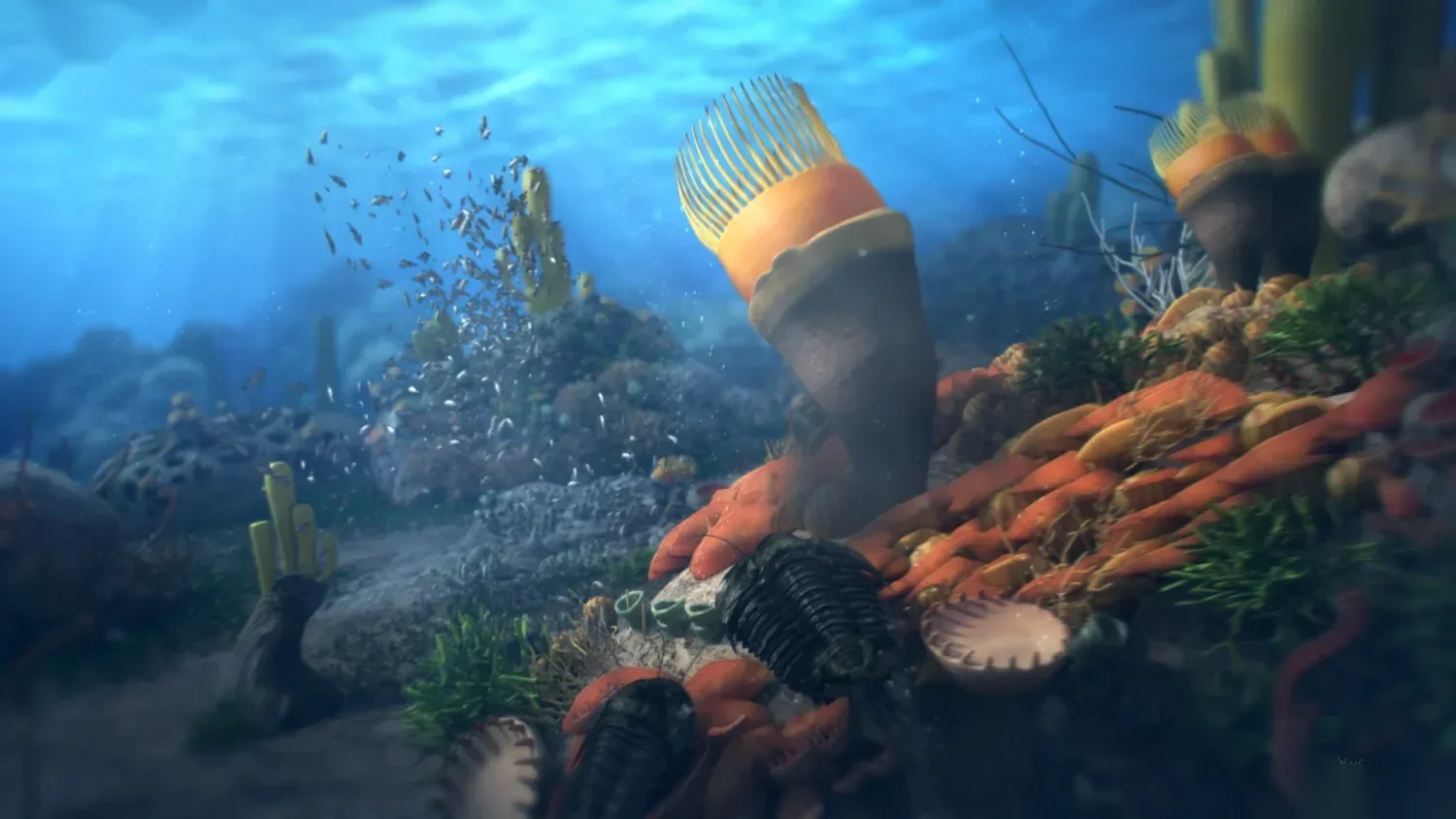
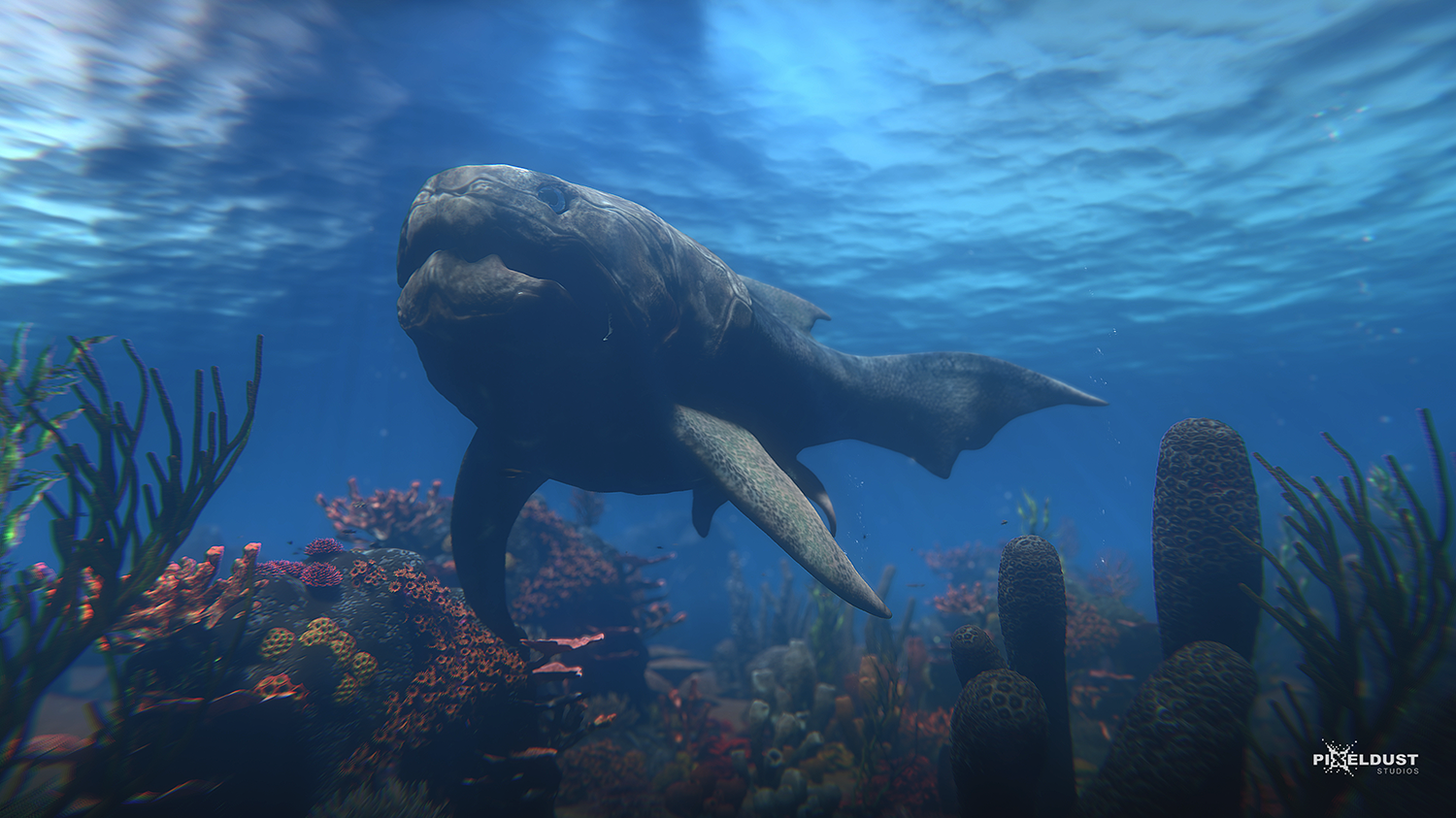
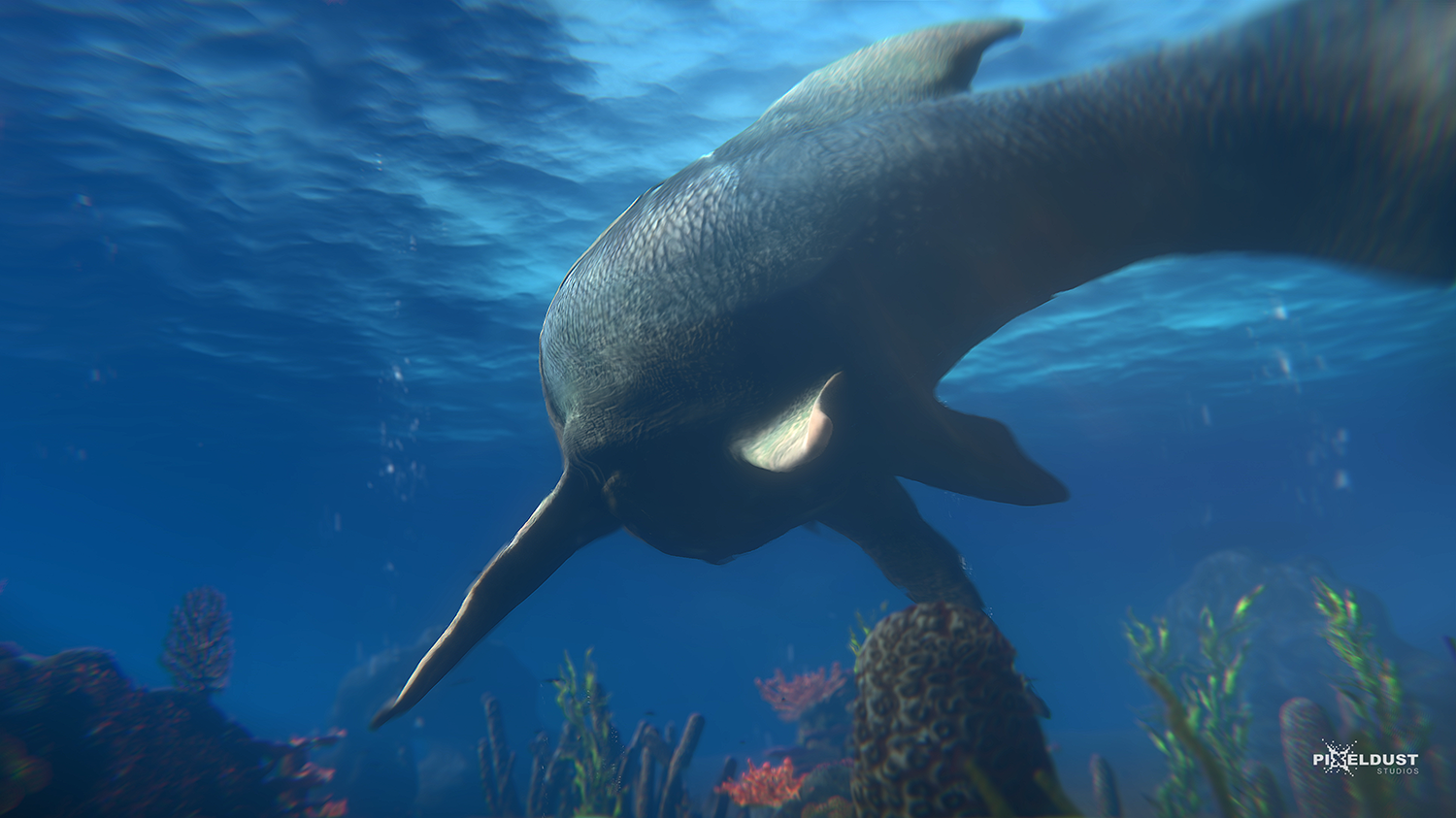
Produced for CuriosityStream @ Pixeldust Studios, Ancient Oceans dives deep into prehistory and explores the flourishing depths of Earth’s ancient oceans. We discover wild, wondrous creatures and the most monstrous predators that roamed the planet. While the continents remained a lifeless wasteland for nearly 4 billion years, the seas were teeming with life. A story of life, death and life re-born, the team visualized this complex underwater world through a captivating series of CGI-animated sequences.
This show is available to view on Curiosity Stream. LINK HERE.
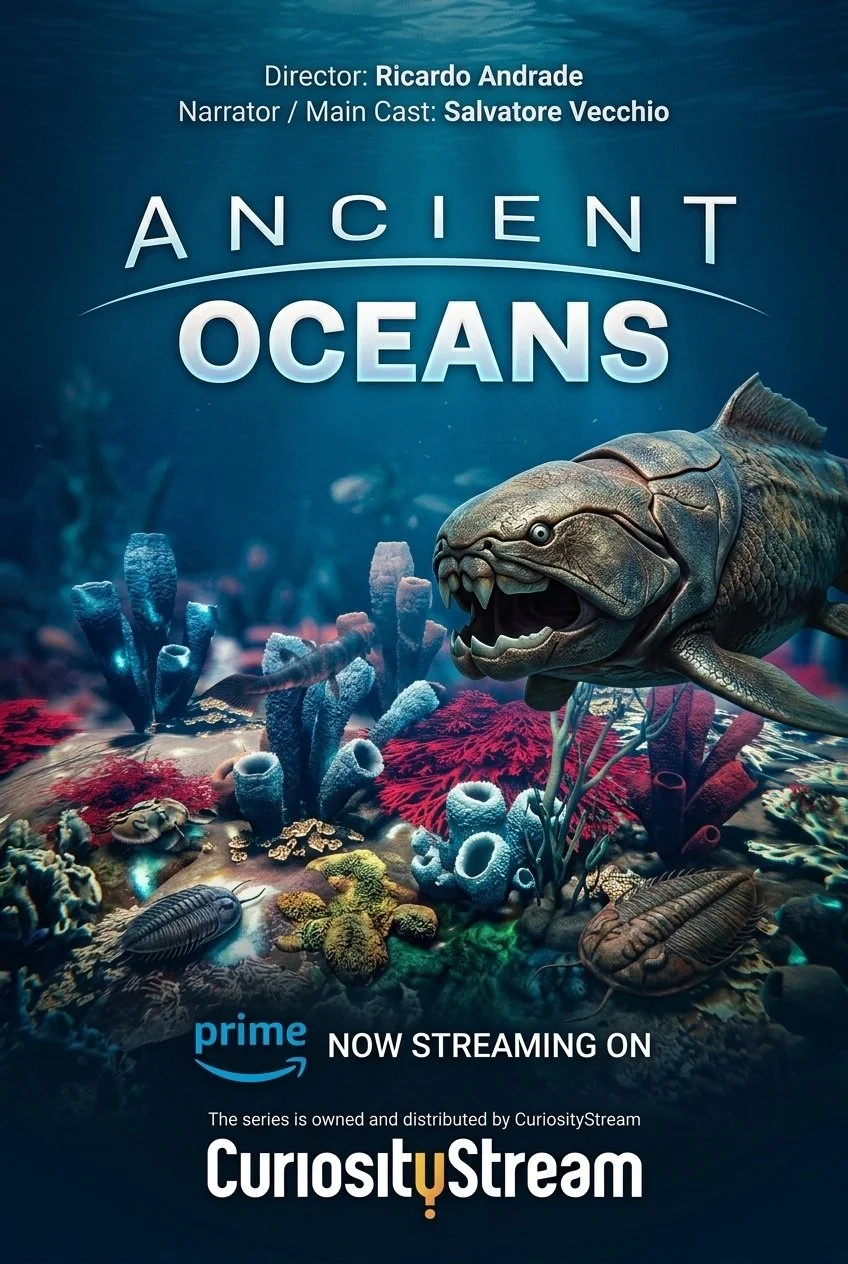
Responsible for team CG/VFX supervision, final lighting, shading and final compositing more than 20 plus 3d shots using state of the art realtime RTX technology with Unity HDRP & Unreal Engine.




TEASER :
|| Ancient Earth : Curiosity Stream ||
|| Ancient Earth : Curiosity Stream ||
ANCIENT EARTH : CURIOSITY STREAM
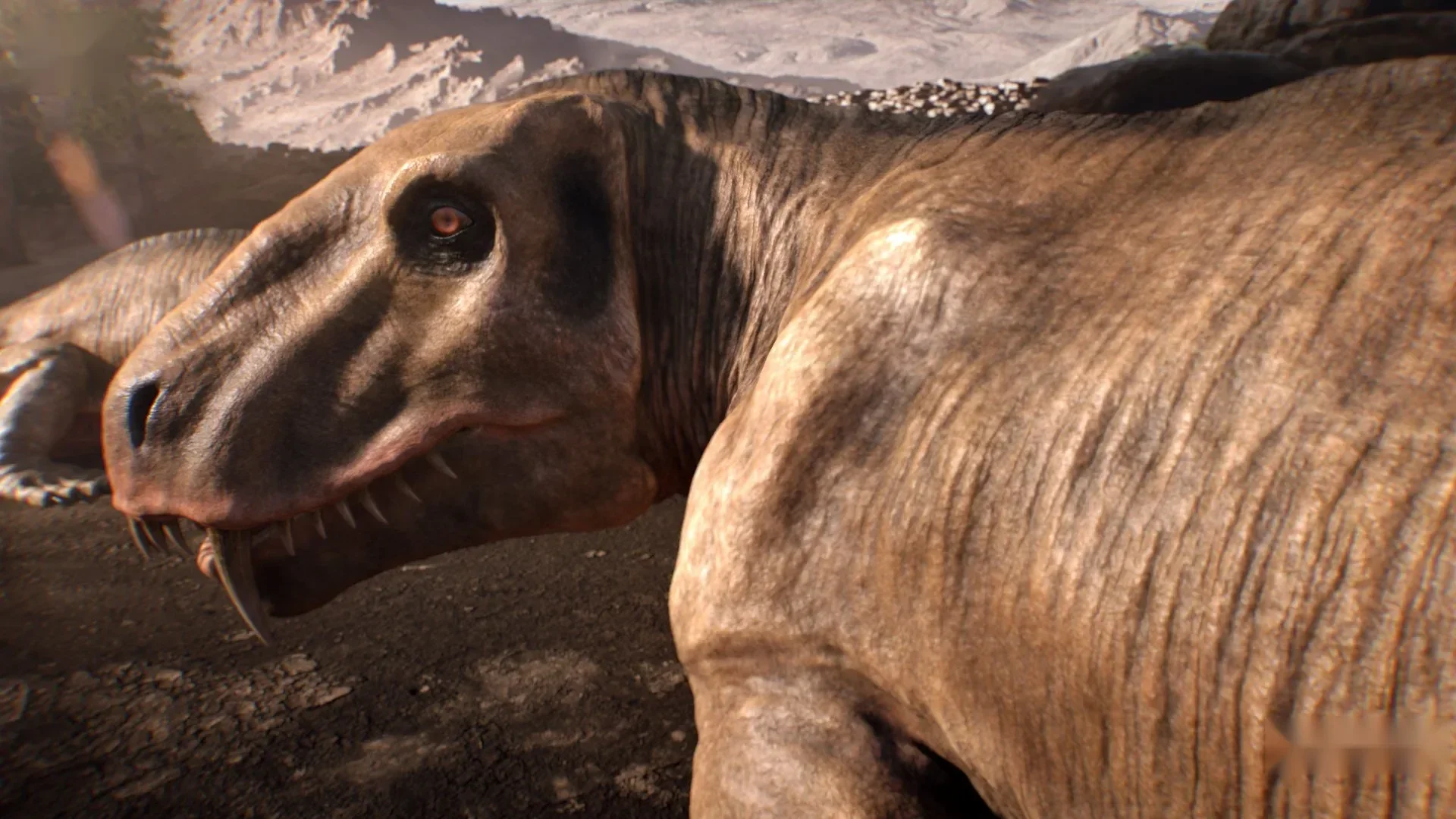
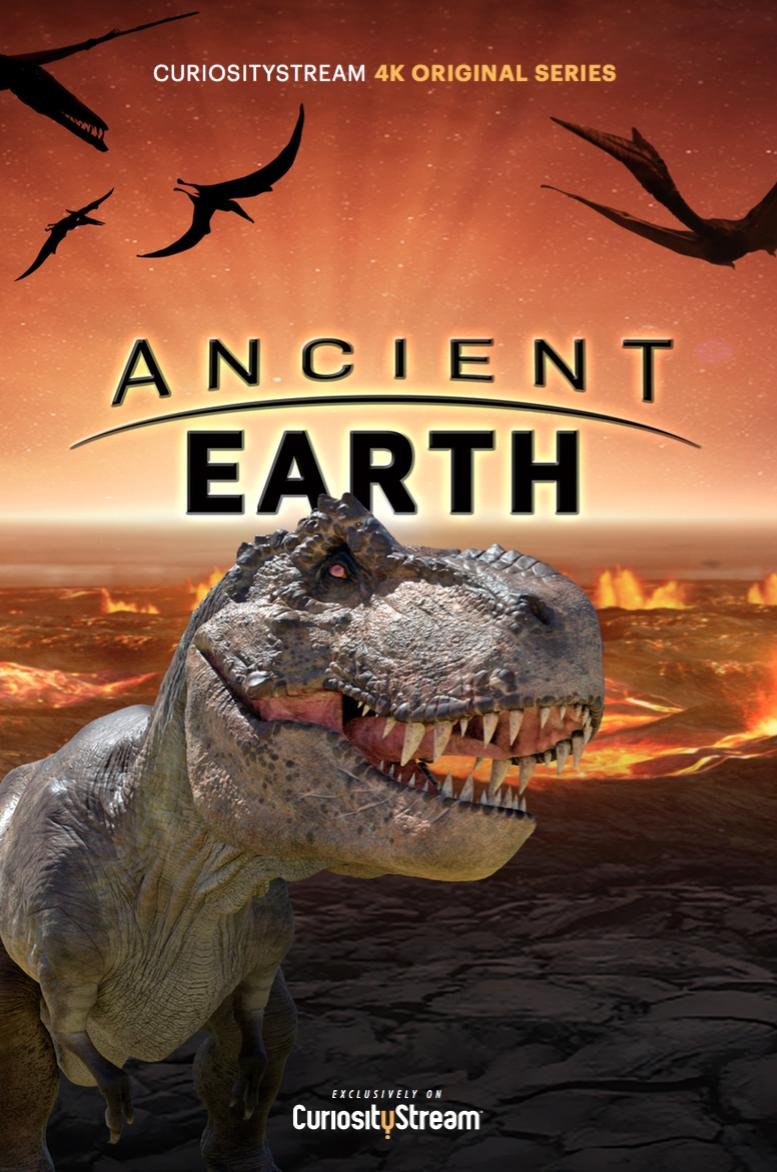
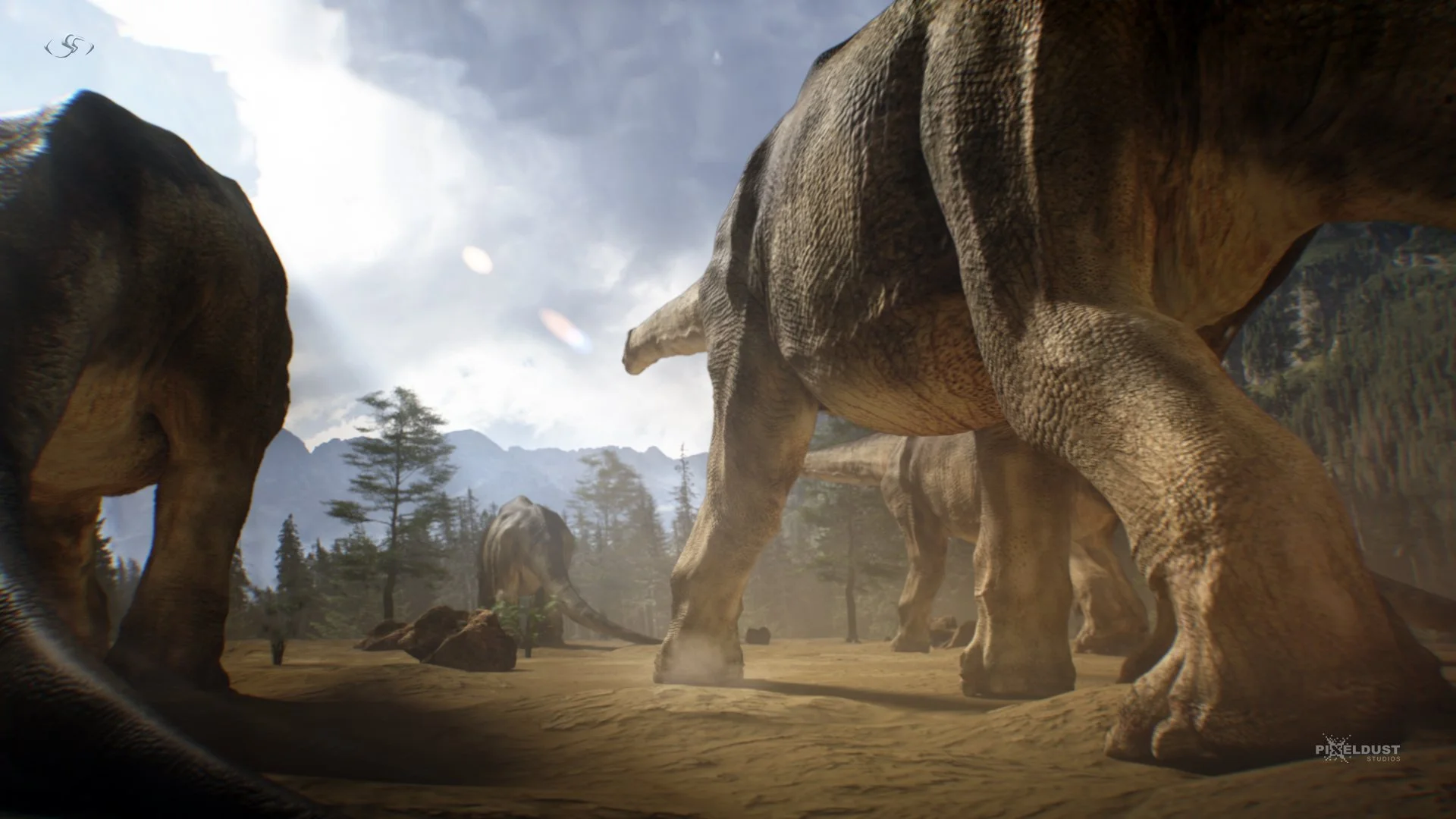
Ancient Earth is a three-part documentary series developed and produced by Pixeldust Studios. Created for Curiosity Stream, Ancient Earth takes viewers on a journey through time from earth’s earliest forms of life, through three major mass extinction events that occurred during the era of dinosaurs. A story about life, death, and life reborn.
I was responsible for team CG/VFX supervision, final lighting, shading and final compositing for more than 40 creature, vfx and earth shots. Established solid 3d rendering + compositing pipeline from Maya + Arnold to Nuke.
This show is available to view on Curiosity Stream. LINK HERE.




TEASER 1 :
TEASER 2 :
|| Mass Extinction : Life at the Brink : Smithsonian Channel ||
|| Mass Extinction : Life at the Brink : Smithsonian Channel ||
Nomination for Emmy Award at the 36th Annual News & Doc Emmy Awards 2015:
Outstanding Graphic Design & Art Direction
It's a mystery on a global scale: five times in Earth's past, life has been nearly extinguished, the vast majority of species annihilated in a geologic instant. Mass Extinction: Life at the Brink joins scientists around the globe in search of answers to two of the most dramatic of these events — the "K/T Extinction" that wiped out the dinosaurs, and "The Great Dying," which 250 million years ago annihilated nearly 90% of all Earth's species.
Traveling from the mountains of Italy to the coasts of Spain, and from the wilds of China to the rugged Siberian taiga, investigators gather clues from ancient bones, clay, crystals, and rock as they attempt to reconstruct long-lost worlds — worlds brought back to life through detailed 3D animation produced by Pixeldust Studios. As different as the two extinctions seem, they share uncanny similarities and a sobering message for today: could the impact of human beings be just as devastating to the planet as an asteroid strike or massive volcanic eruptions? Narrated by Jeffrey Wright and produced by Tangled Bank Studios, the film unit of the Howard Hughes Medical Institute (HHMI), the documentary earned a 2015 News & Documentary Emmy nomination for Outstanding Graphic Design & Art Direction.
This one-hour documentary explores the possibility of a man-made mass extinction. Pixeldust's Emmy-nominated 3D animations bring long-vanished creatures back to life and allow viewers to experience mass-extinction scenarios with striking accuracy and detail.
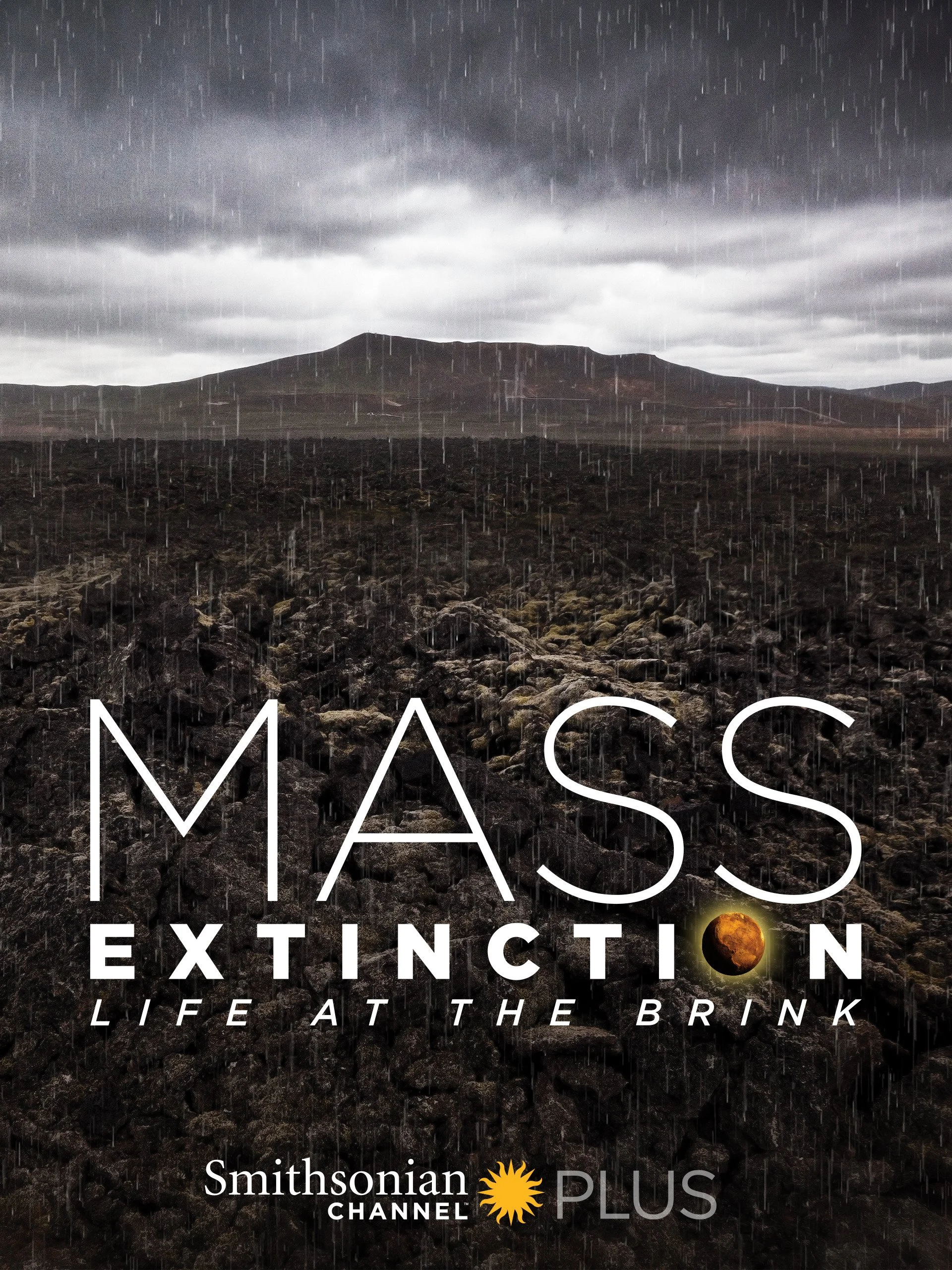


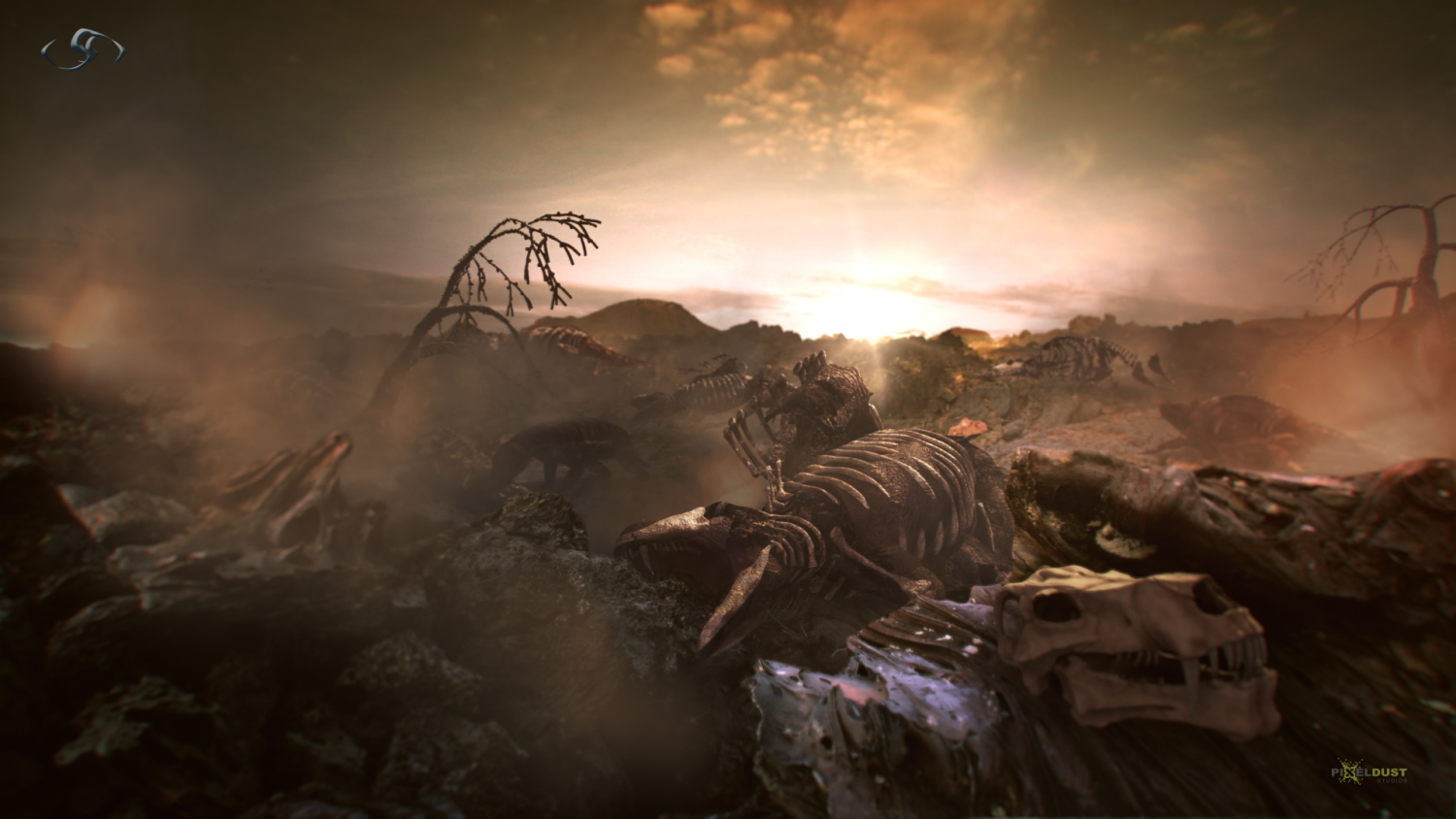


As CG/VFX Supervisor at Pixeldust Studios, I led the lighting, shading, look development, tracking, VFX, and final compositing across the shot list of Mass Extinction: Life at the Brink — responsible for that work on 90% of the shots, and establishing the look that let the CG reconstructions of ancient worlds and extinction events read with both cinematic weight and scientific credibility.
Much of the work centered on blending live-action footage with CGI to a seamless finish: complex camera tracking and matchmoving in Foundry Nuke, keying, rotoscoping, and layered VFX compositing to seat the CG elements convincingly into filmed plates. I also handled the underwater dynamics and simulation work myself, balancing scientific plausibility with visual impact, with everything rendered in Autodesk Maya using both Redshift and Solid Angle Arnold and finished through Nuke and After Effects.
A separate dedicated team of character artists — modelers, riggers, and animators — handled the character modeling, rigging, and animation that brought the show's long-vanished creatures to life; I carried their assets through my lighting, shading, look dev, tracking, VFX, and final compositing to a broadcast finish.
For this work, I earned a 2015 News & Documentary Emmy nomination for Outstanding Graphic Design & Art Direction.
Main software: Autodesk Maya, Redshift, Solid Angle Arnold, Foundry Nuke, After Effects.
|| THE YEAR OF PLUTO - NASA ||
|| THE YEAR OF PLUTO - NASA ||

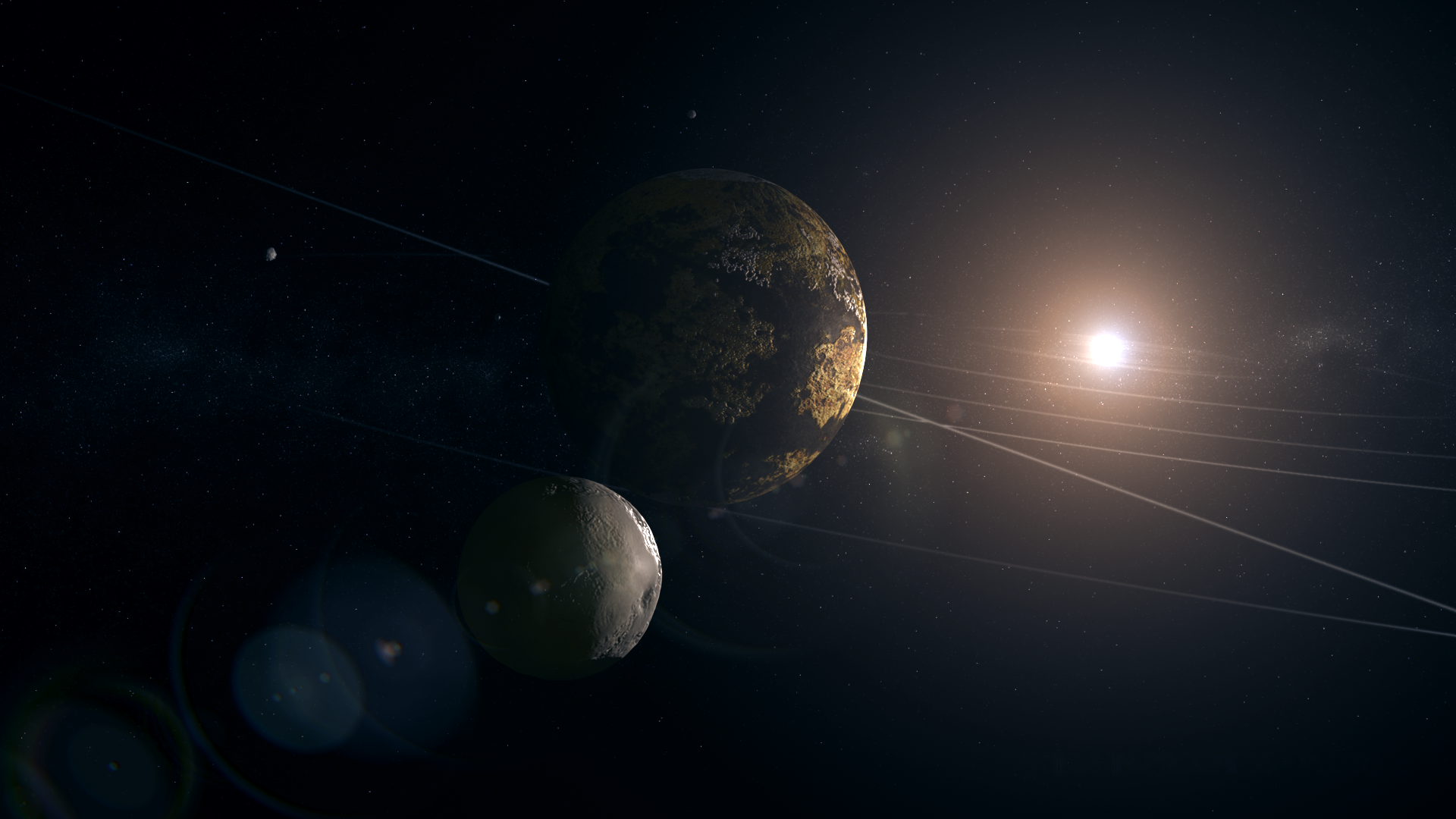
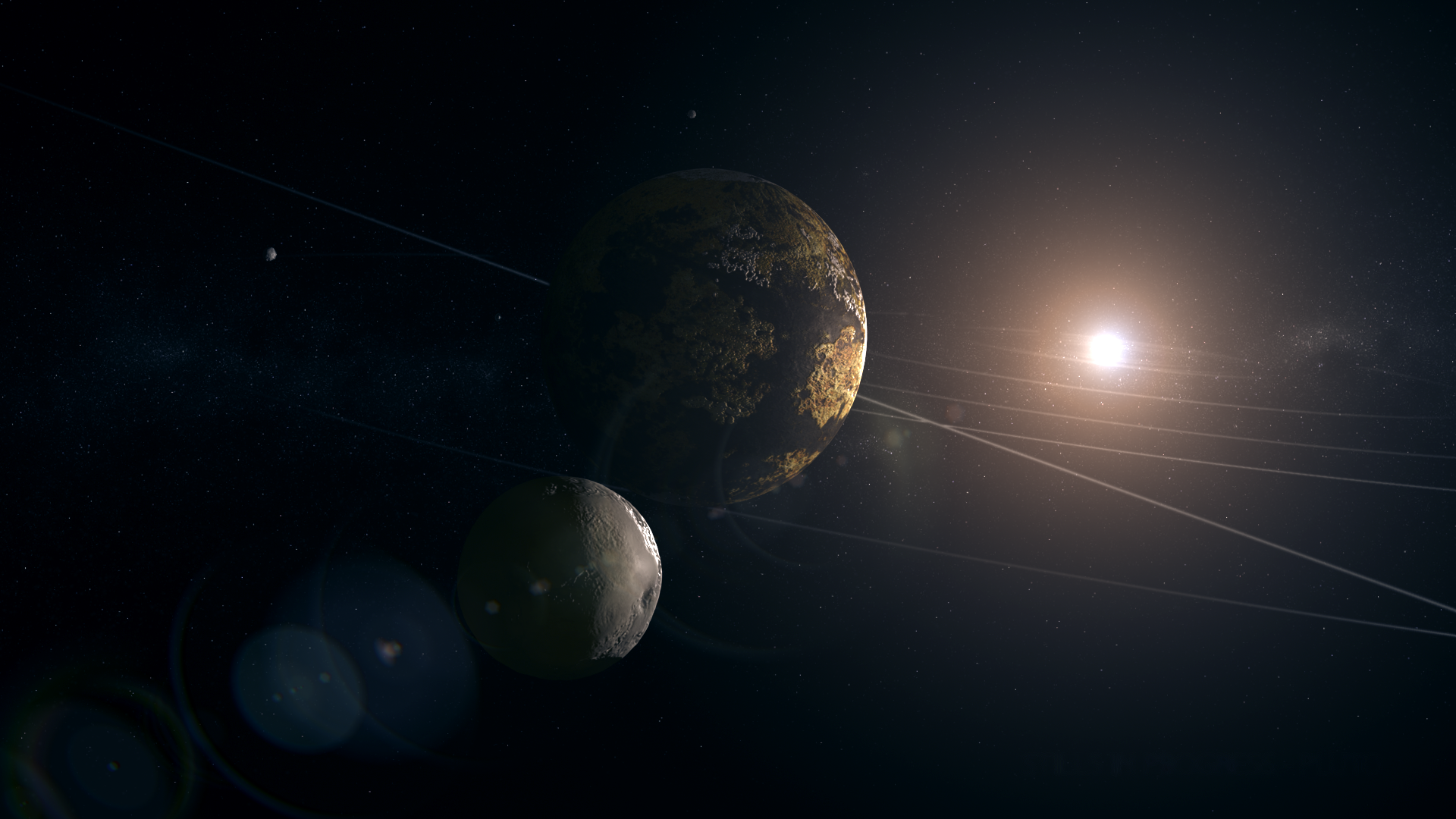
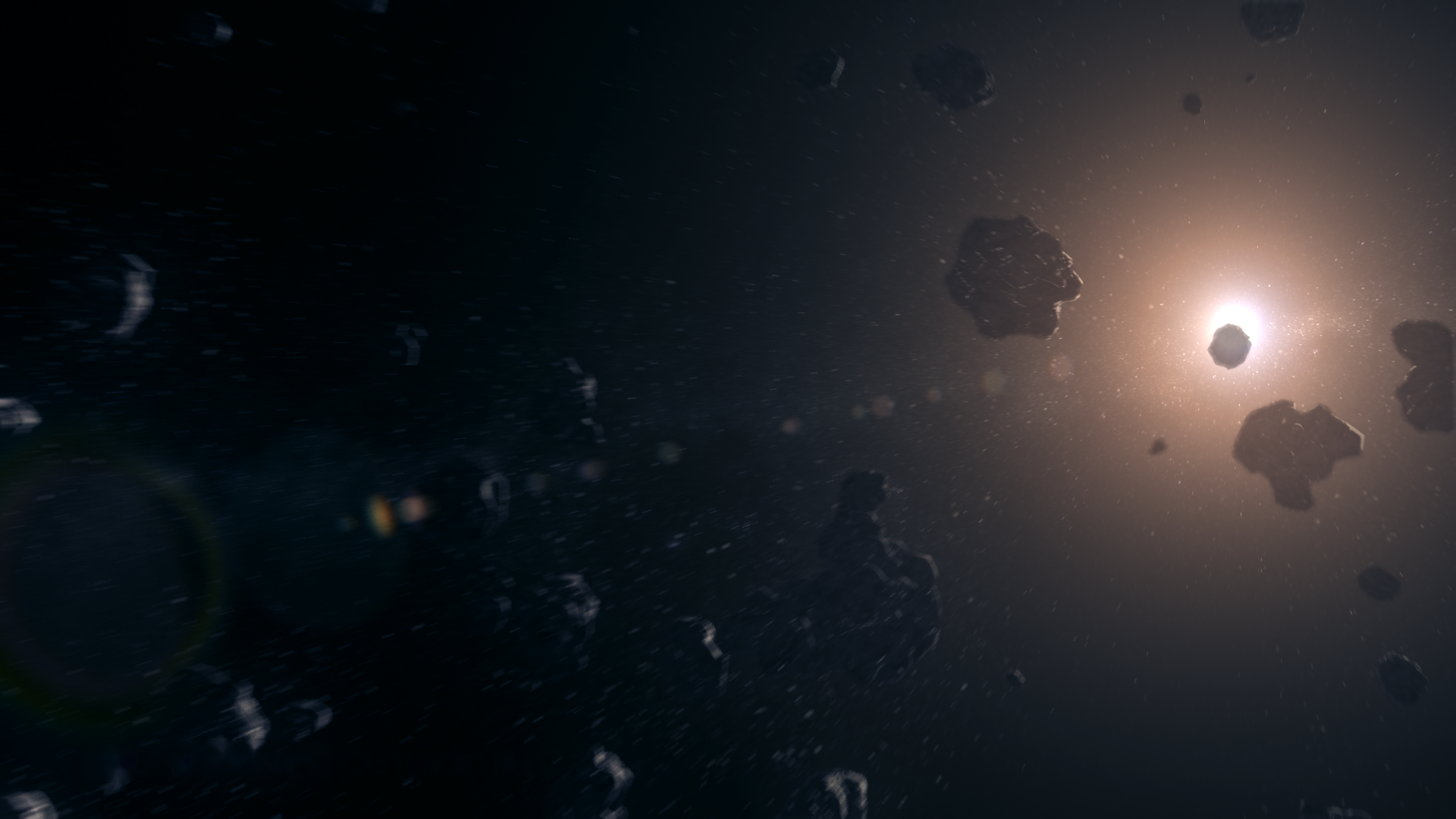
The Year of Pluto is a NASA documentary from writer/director/producer Geoff Haines-Stiles (of Carl Sagan’s Cosmos), filmed behind the scenes at the Johns Hopkins Applied Physics Lab and elsewhere over a decade-plus span. It turns hard science into personal stories and follows NASA’s New Horizons craft, which returned stunning close-up images of dwarf planet Pluto and its largest moon, Charon. At Pixeldust Studios, I supervised the CG for the nearly six-minute Kuiper Belt sequence, working one-on-one with Geoff Haines-Stiles throughout.
The core challenge was one of scale and form: digitally recreating the Kuiper Belt and the Oort Cloud — two of the outer solar system’s most distant regions, filled with hundreds of thousands of icy bodies, more than 4,000 dwarf planets, and trillions of comets — in true volumetric form and faithful to real science. We grounded the recreation in real astronomical data: Tony Dunn’s Gravity Simulator point-cloud data from the Harvard-Smithsonian Minor Planet Center, together with vector images, which anchored the structure and placement of the objects across both regions.
(Read More below and look for official show links).
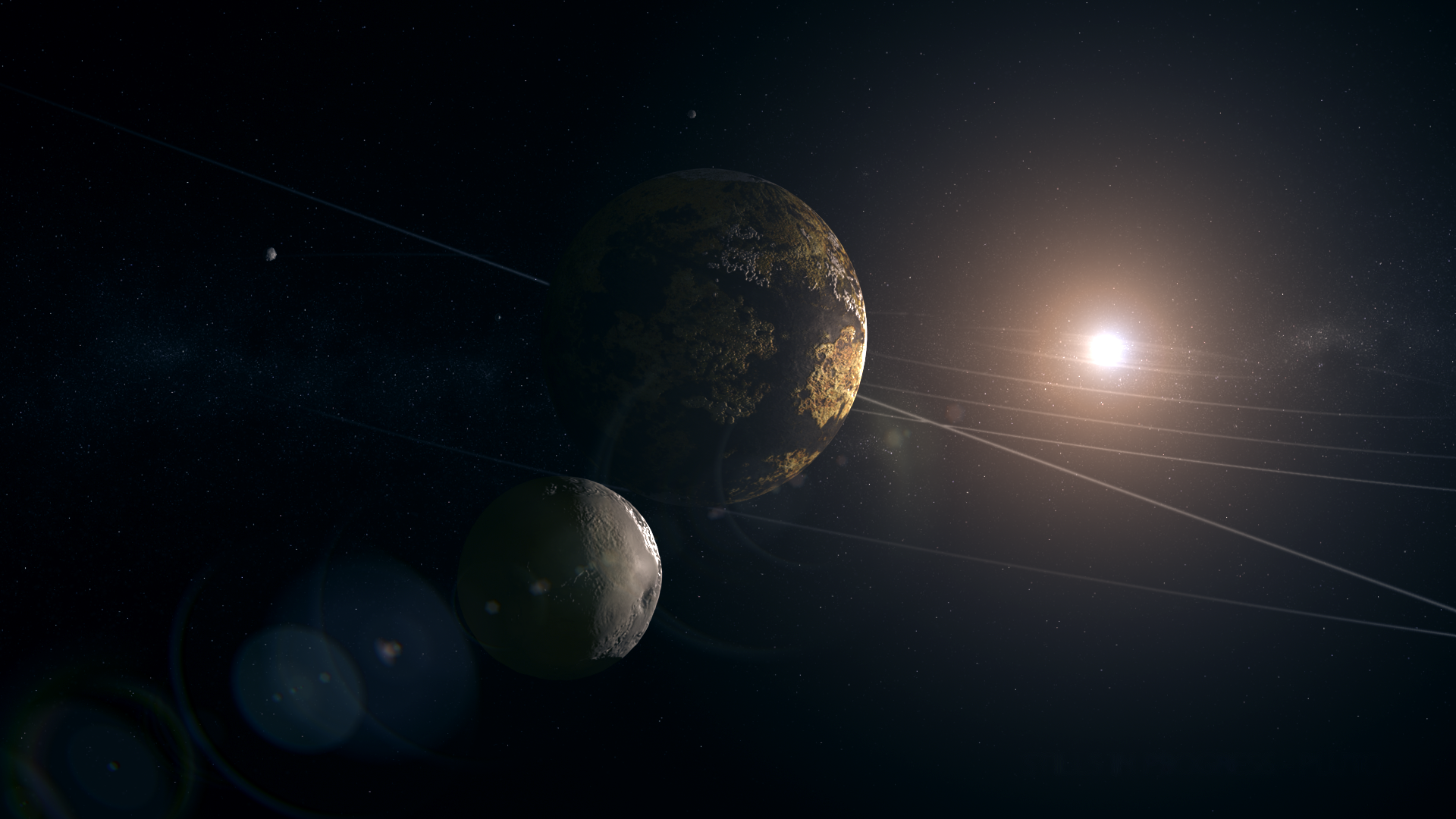
SAMAR SHOOL Responsibilities
Supervised the CG for the nearly six-minute Kuiper Belt sequence in NASA’s documentary The Year of Pluto, tied to the New Horizons flyby of Pluto and its moon Charon.
Led the volumetric recreation of the Kuiper Belt and the Oort Cloud from real astronomical data — Tony Dunn’s Gravity Simulator point-cloud data from the Harvard-Smithsonian Minor Planet Center, plus vector images — deploying nParticle systems in Autodesk Maya to hold large volumes of point clouds.
Directed the recreation of seven Kuiper Belt Objects from Tony Dunn’s data — digitally sculpted in ZBrush, then textured and rendered to a realistic finish based on planetary references.
Set the realistic “space” lighting and enforced physically correct staging — keeping the camera always facing the lit side of the planets.
Designed the camera language: carefully planned camera moves and Zdepth-driven fly-throughs between the Kuiper Belt Objects and their motion orbits, housed together inside the belt.
Owned look development, lighting, rendering, and final delivery — rendering 10,000+ frames on a 70–80-node farm over 5–6 days of total render time, and compositing in Adobe After Effects.
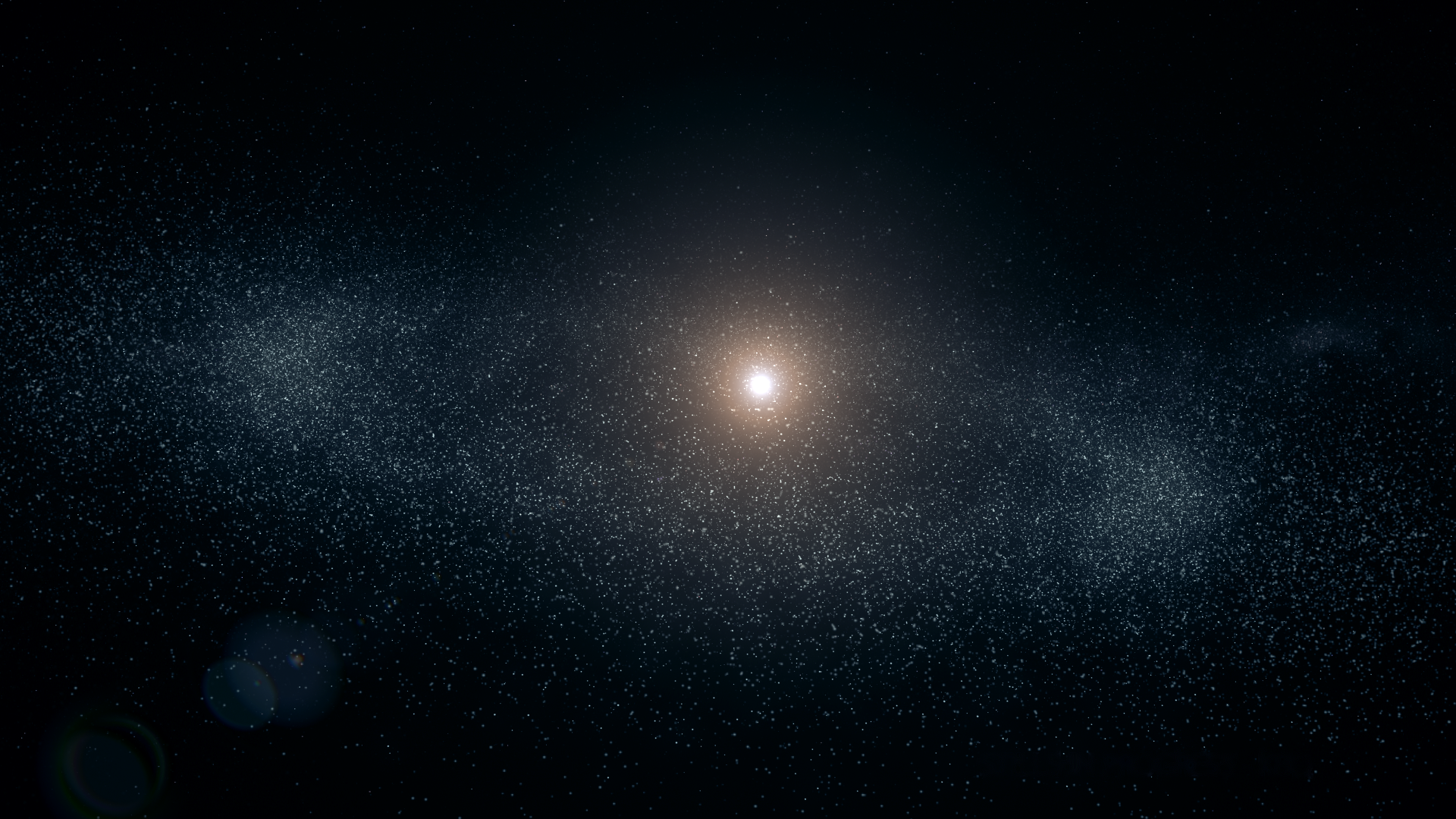
To build both regions volumetrically, we deployed nParticle systems in Autodesk Maya, translating the point-cloud data into large volumes of particles standing in for the icy bodies, dwarf planets, and comets — enough to hold the science’s object counts while keeping the belt and cloud readable, and efficient enough to render at the scale the sequence demanded. Alongside the volumetric fields, the team recreated seven individual Kuiper Belt Objects from Tony Dunn’s data — digitally sculpted in ZBrush, then textured and rendered to look realistic against other planetary references.
For the individual objects, I focused on realistic “space” lighting and kept the camera oriented toward the lit side of each planet. To show each body together with its orbit, I used carefully planned camera moves and Zdepth to build fly-throughs that travel between the Kuiper Belt Objects and their motion paths inside the belt.
The finished sequence ran more than 10,000 frames. Pixeldust relied on its render farm — 70 to 80 nodes on Intel i-7 processors with 12–16 GB of RAM — for a total of 5–6 days of render time, with final frames composited in Adobe After Effects. The result is a scientifically grounded, volumetric recreation of the Kuiper Belt and the Oort Cloud for NASA’s The Year of Pluto — two of the solar system’s most distant frontiers, rendered at true scale and paired with the lighting, camera work, and compositing craft that turns raw astronomical data into a compelling on-screen journey.
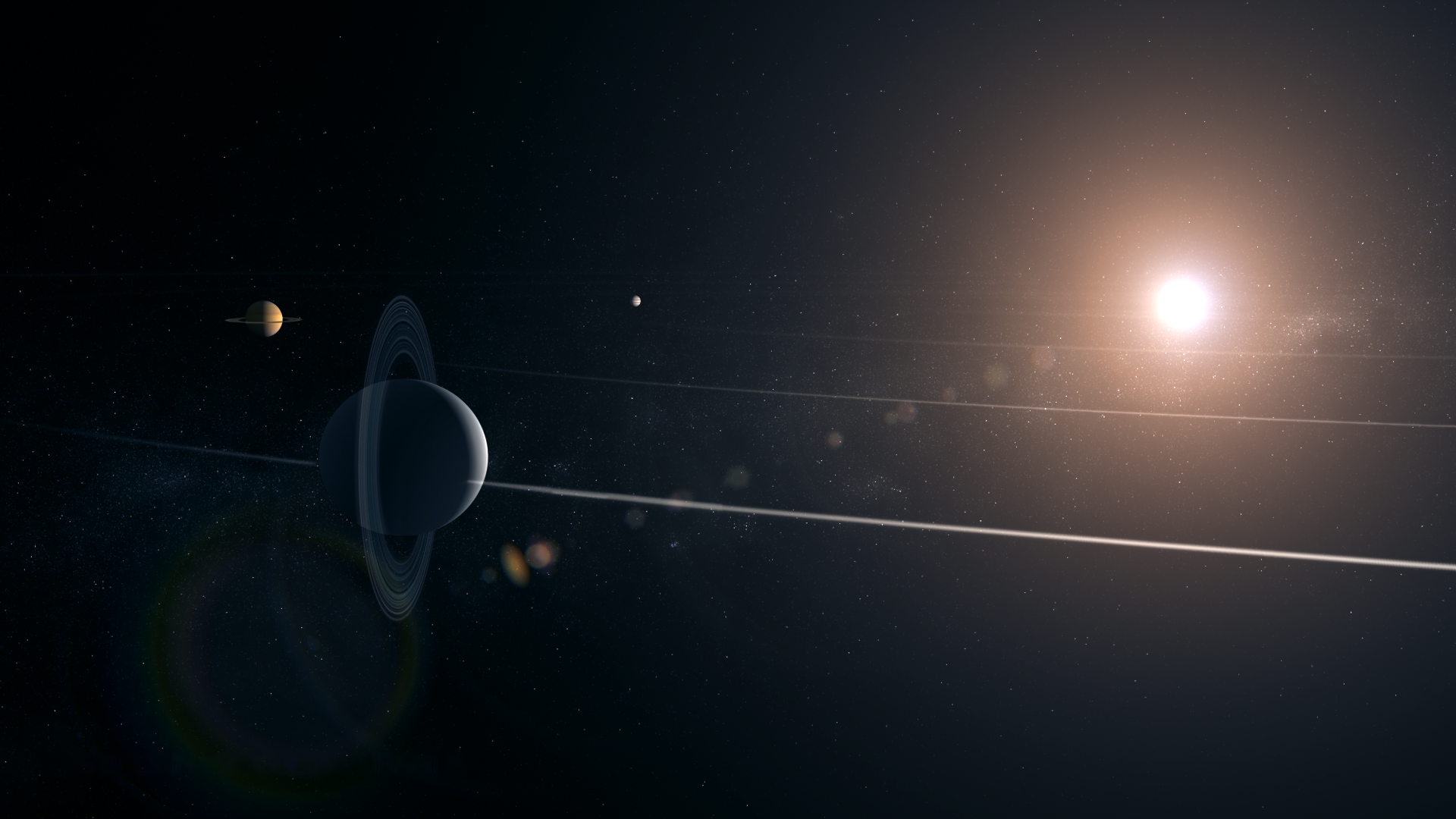
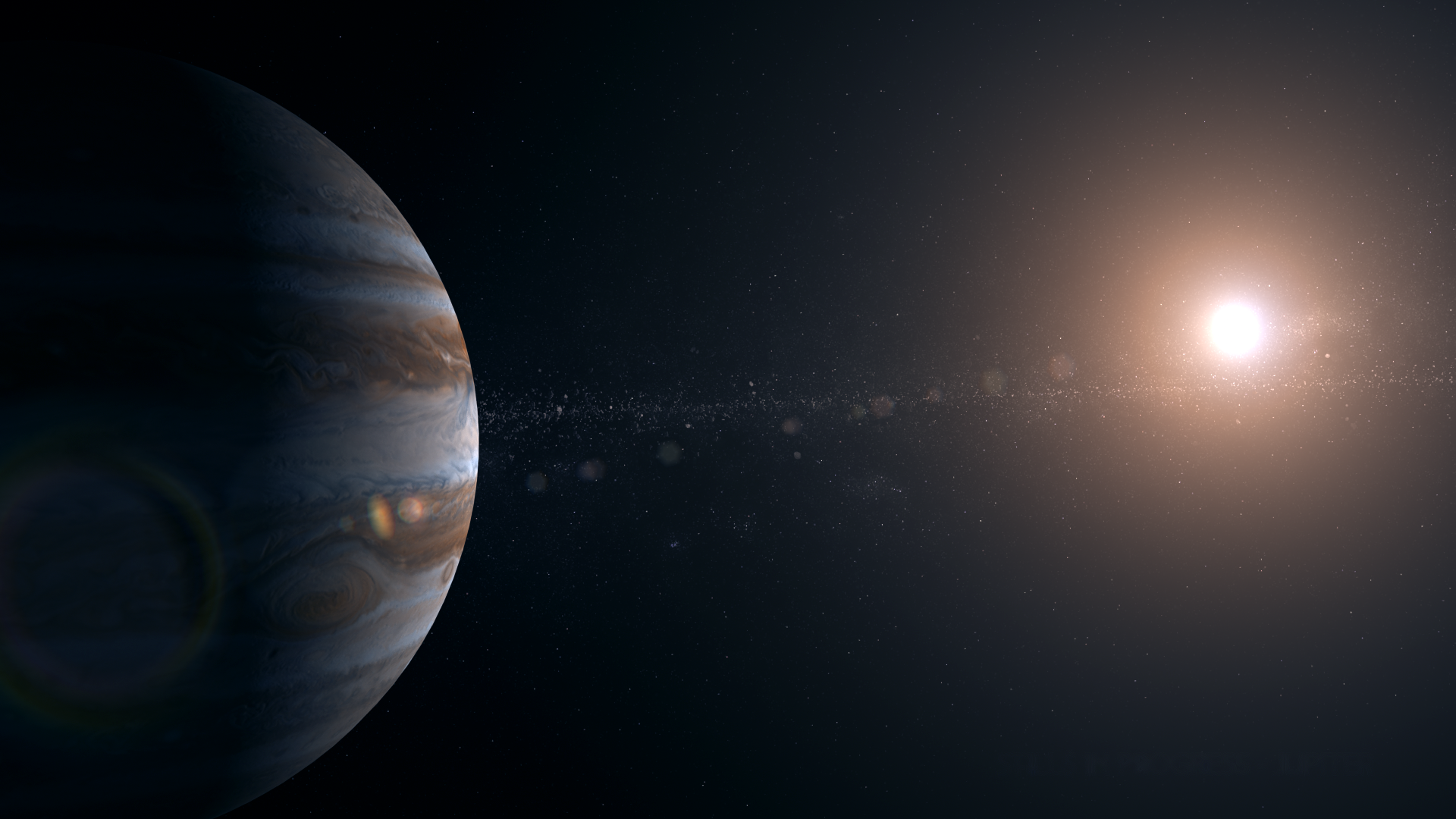
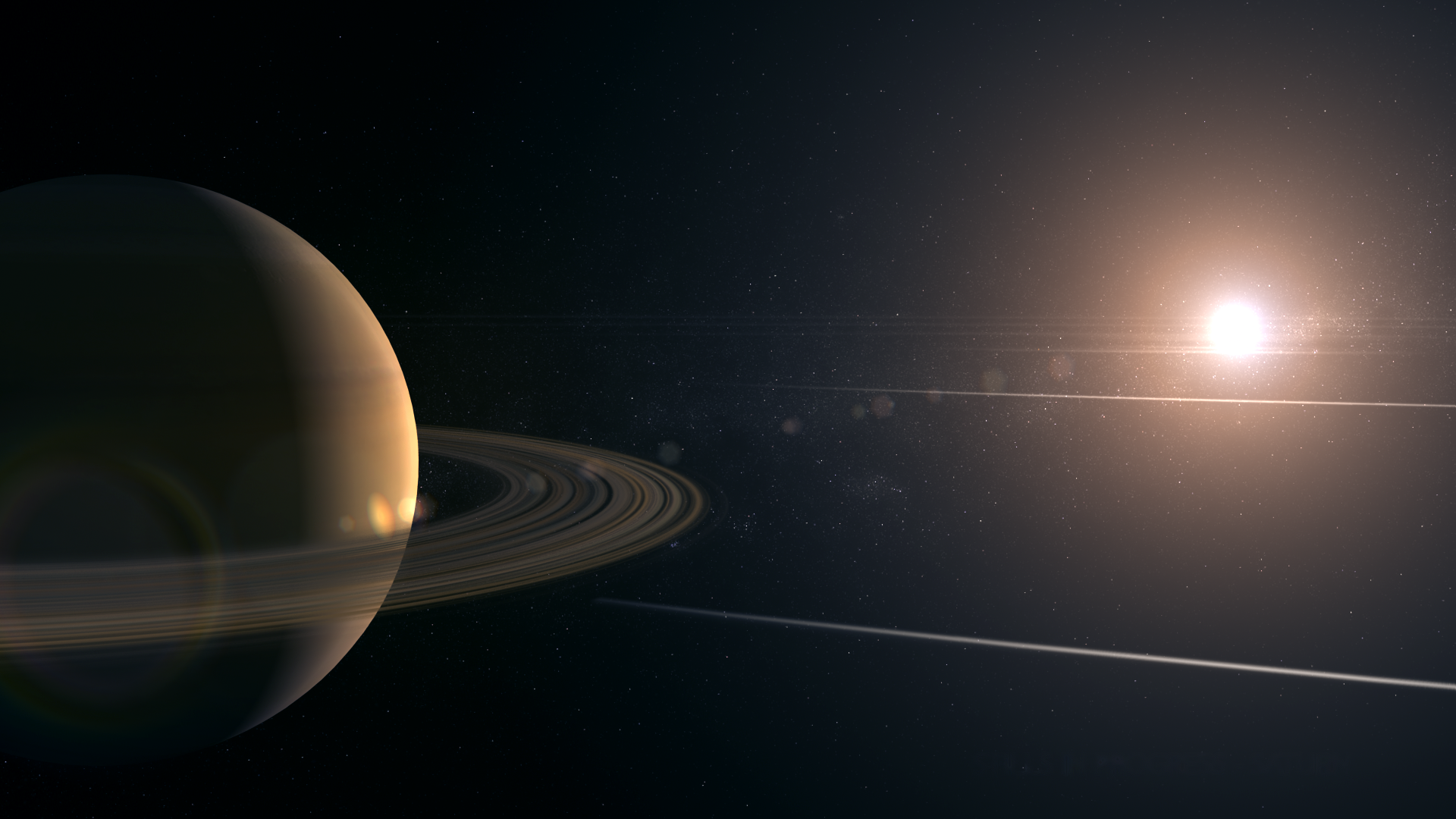
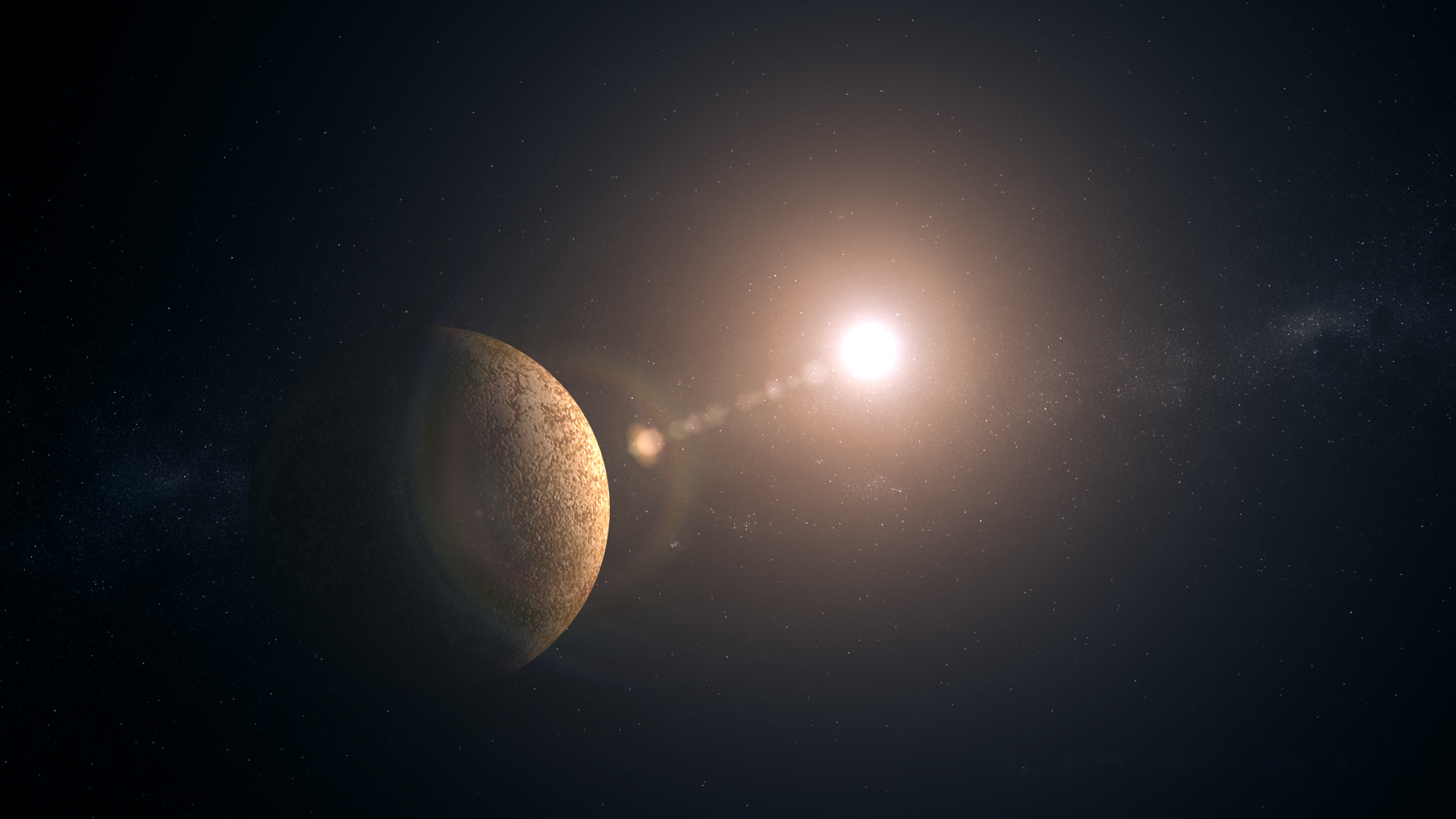
VIDEO:
|| Ancient Cities ||
|| Ancient Cities ||
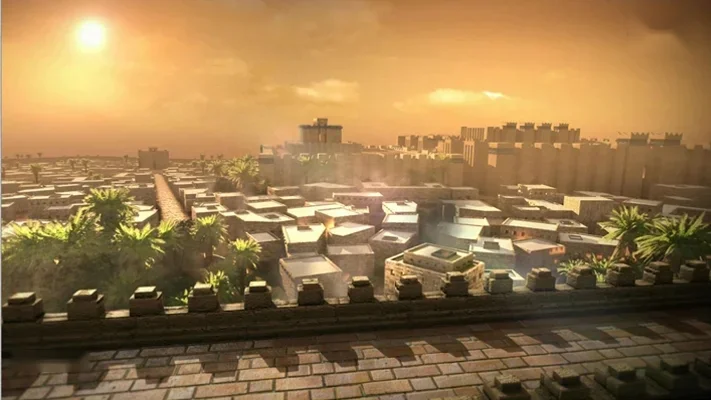
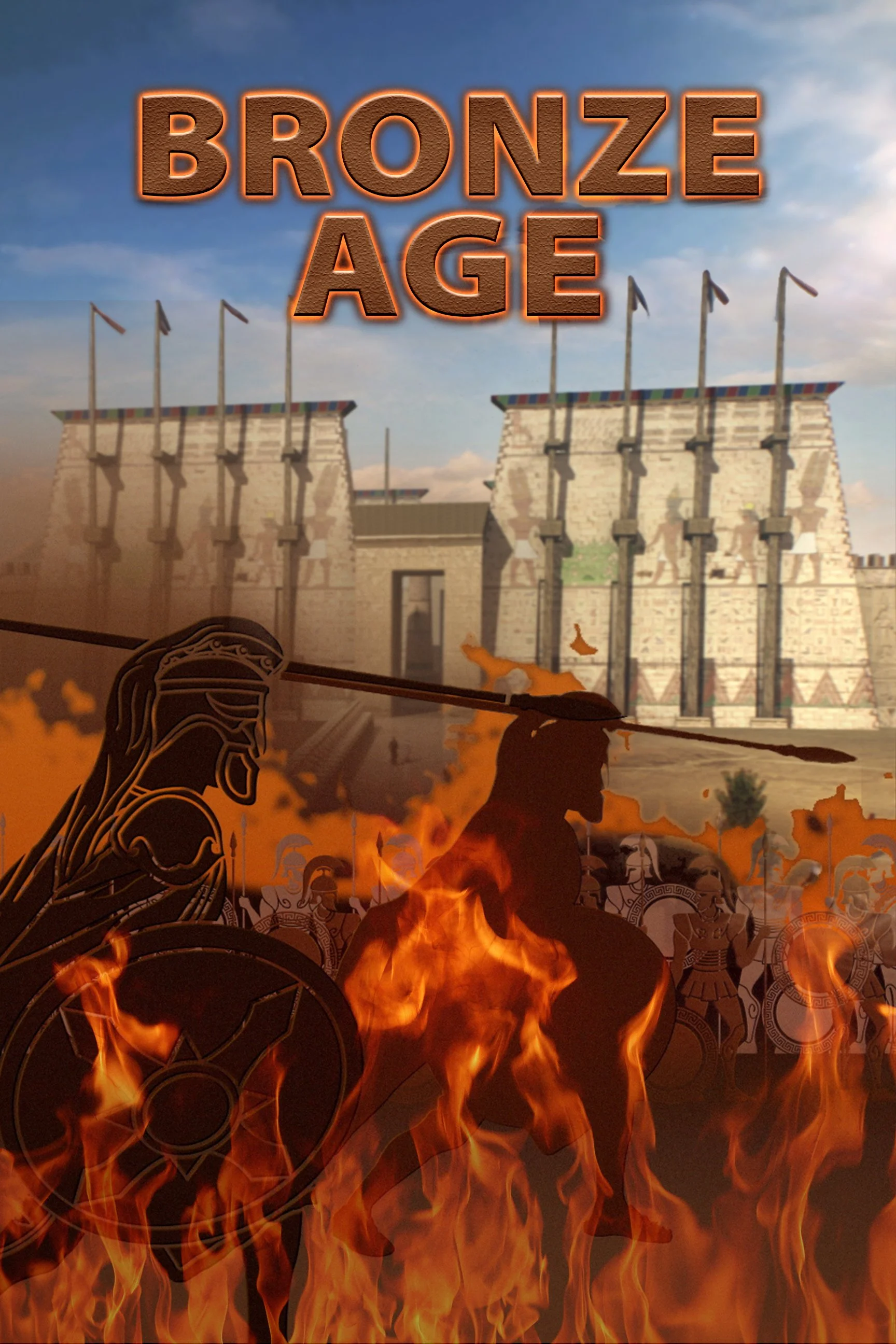
Ancient Cities digital recreation for series “Bronze Age” available on Curiosity Stream. This project was developed at Pixeldust Studios. Proud to receive Emmy Nomination at 59th Emmy Awards 2016 in 44-Graphic Arts category. Awards link here.
TEMPLE OF THEBES
TEMPLE OF KARNAK
TEMPLE OF URUK
BRONZE AGE MARITIME SAILSHIPS


CGI Renders of digitally reconstructed ancient cities showcasing lighting and compositing.
|| Audi Showroom ||
3d photoreal architectural rendering walk through.
|| Audi Showroom ||
3d photoreal architectural rendering walk through.
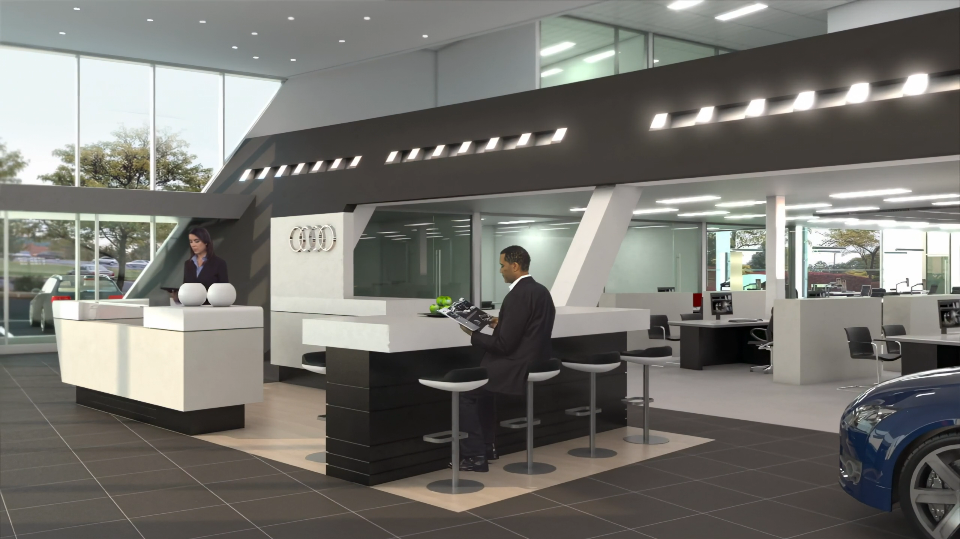
AUDI SHOWROOM
Architectural/interior walk through rendering for AUDI showroom. The project was developed for Pixeldust Studios.
Responsible for architectural 3d look development, lighting, rendering, compositing.


|| Air Warriors : Smithsonian Channel ||
|| Air Warriors : Smithsonian Channel ||
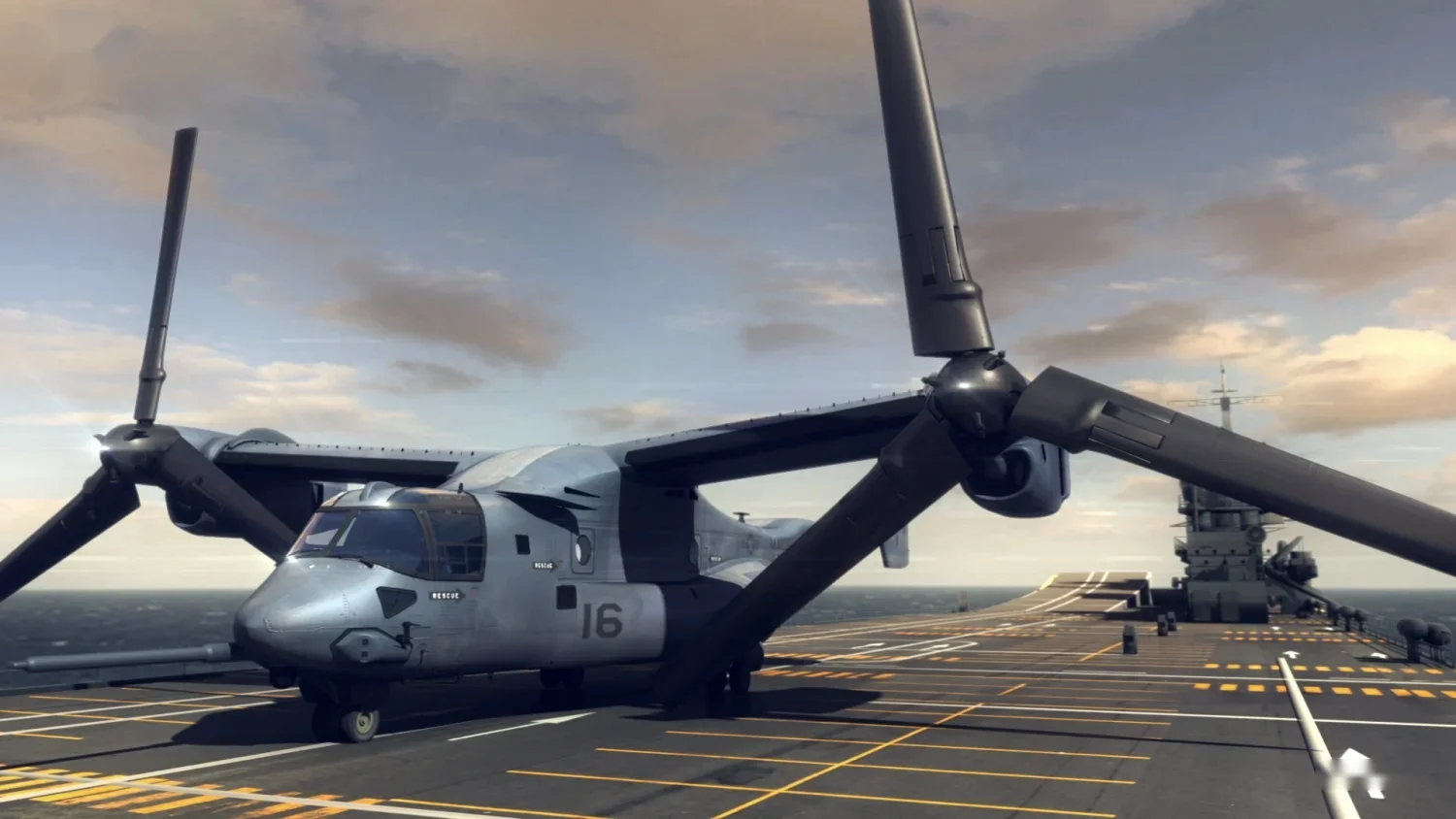
Air Warriors :


Responsible for shading, lighting and final compositing of aircrafts (F15, Osprey, Apache).
Also responsible for shading, lighting & final compositing/vfx of dragons.
Used Unreal Engine, Maya + Solid Angle Arnold, After Effects.
|| Benelli USA : Ethos Shotgun ||
|| Benelli USA : Ethos Shotgun ||
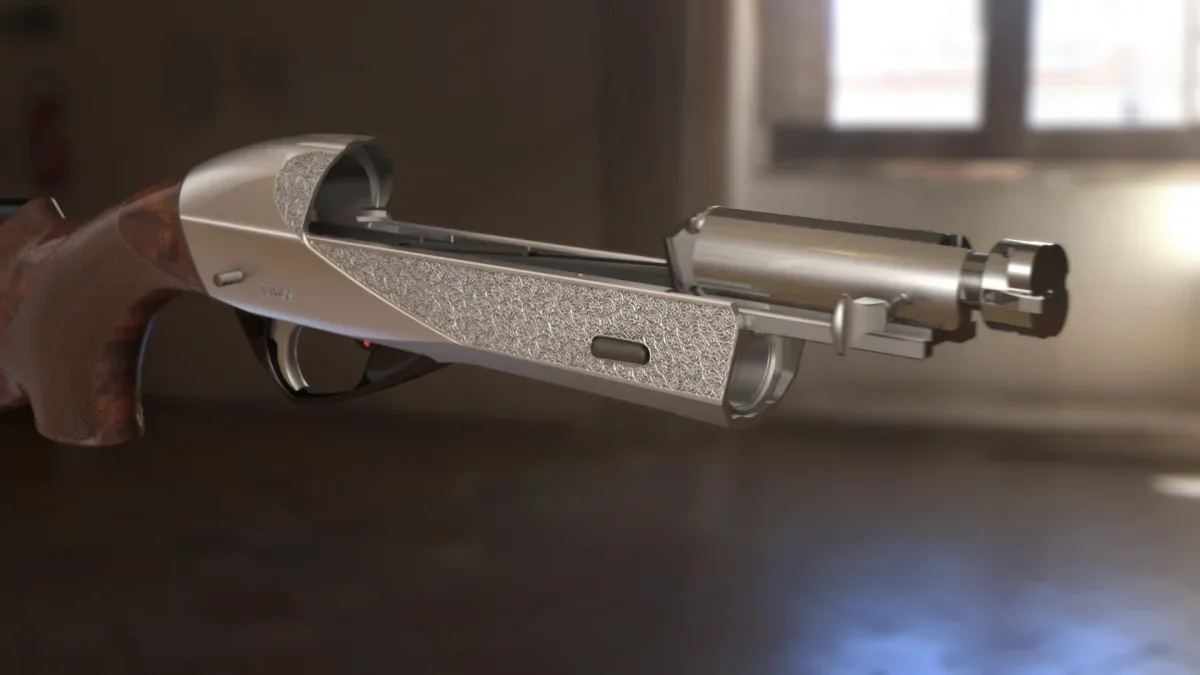
Benelli USA : Ethos Shotgun animation work.
Accomplished cgi shots showcasing Benelli's New product gun ETHOS regenerated in 3d in all its glory. Animations feature critical parts of the gun and easyloading, receiver and bolt mechanisms. These animations were developed at Pixeldust Studios.
Credits for lighting, shading, rendering and animation using Maya-Arnold. Showcased on Benelli website and their You tube channel.


|| Alien Deep" by Bob Ballard ||
|| Alien Deep" by Bob Ballard ||
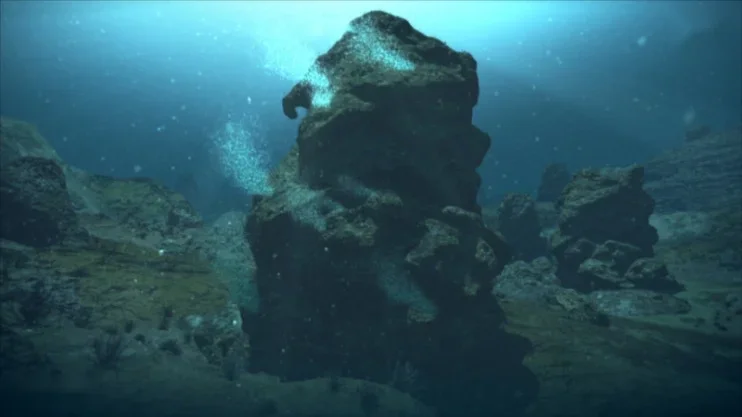
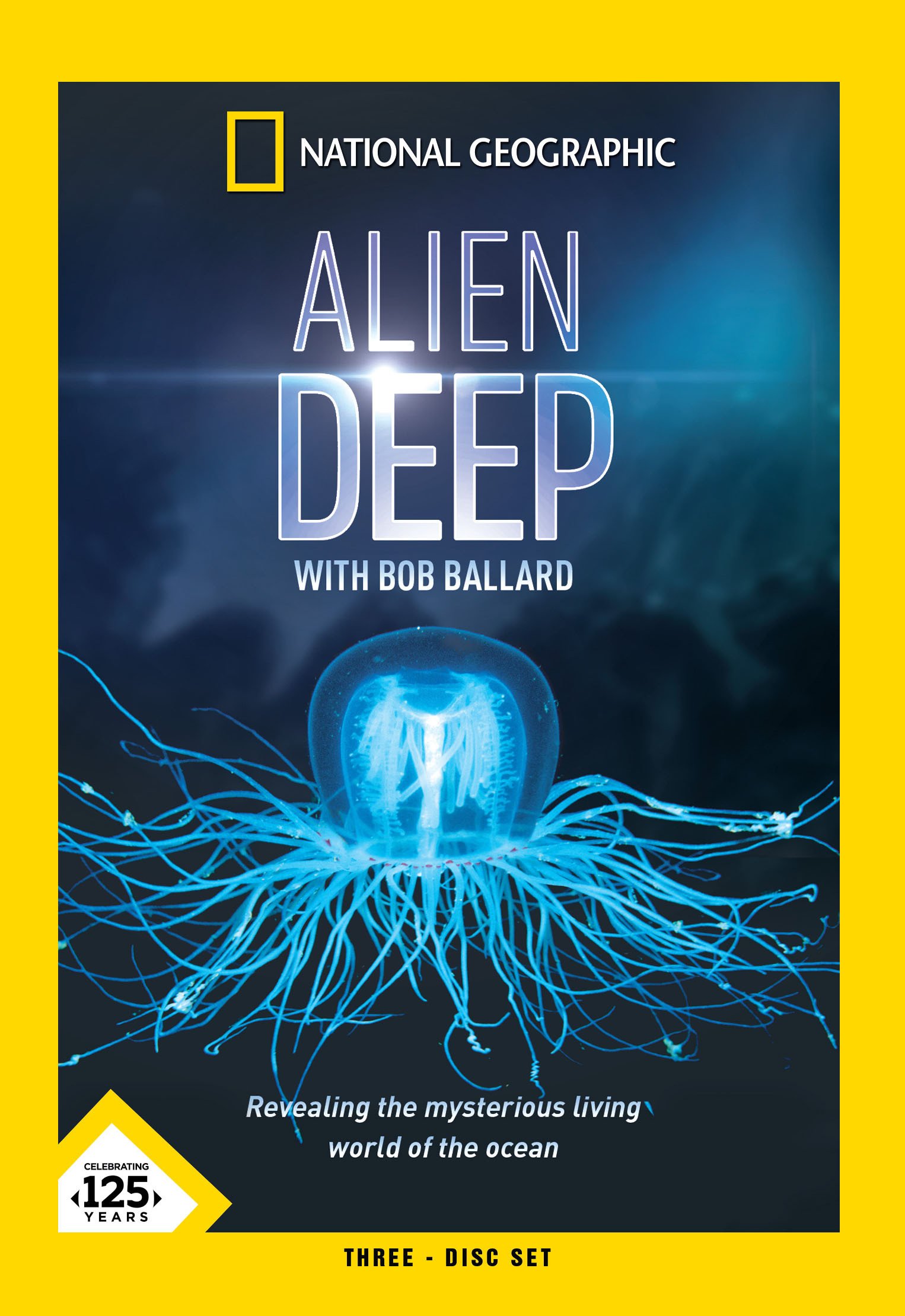
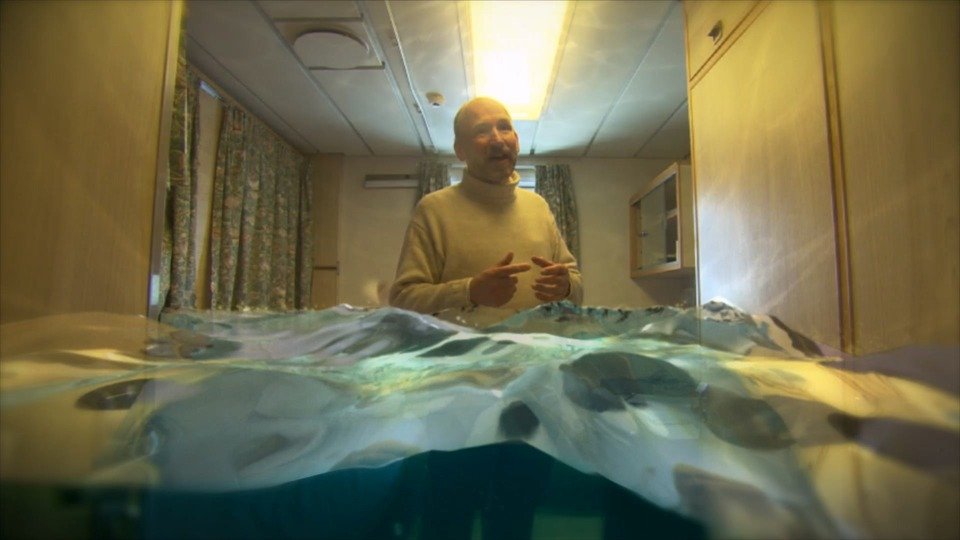
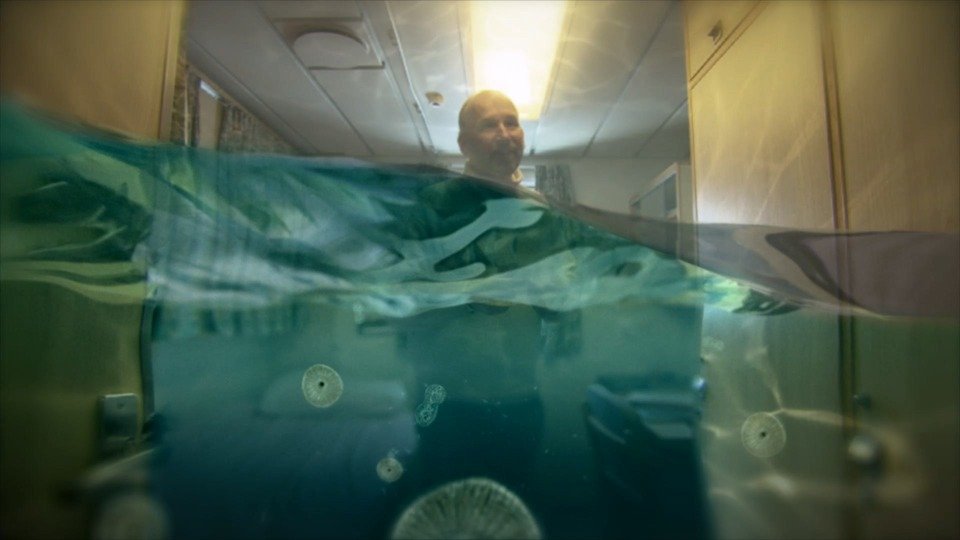
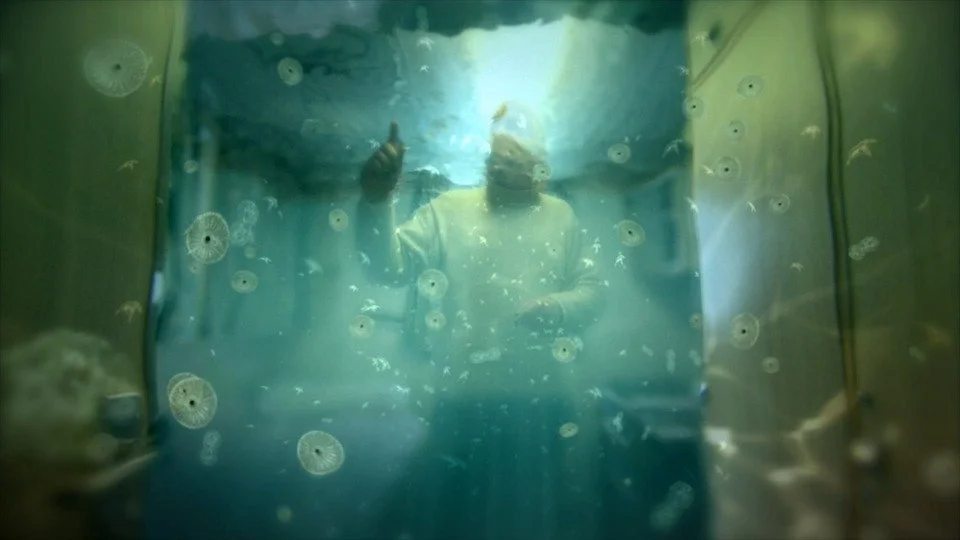
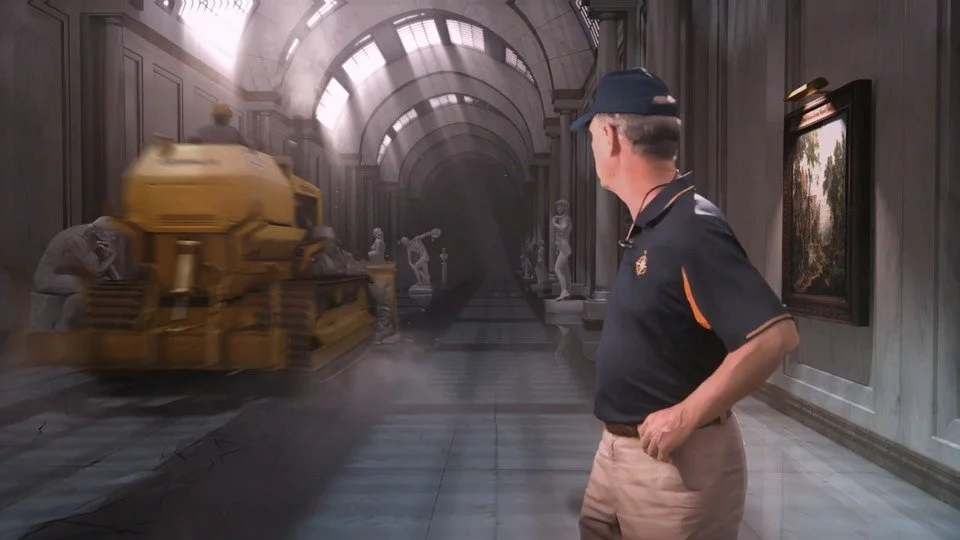
Alien Deep is a five-part National Geographic Channel documentary series with legendary ocean explorer Dr. Robert Ballard, descending into the deepest and most extreme frontiers of the ocean — hydrothermal vents, undersea volcanoes, mid-ocean ridges, and the strange, resilient life that thrives in the crushing dark far below the surface. The series pairs real expedition footage with high-end CGI to reveal environments and scientific phenomena no camera could otherwise capture.
The 3D animation and visual effects were produced at Pixeldust Studios, where I served as CG/VFX Supervisor. On Alien Deep, I delivered a wide range of shots across all 5 episodes for Nat Geo TV — photoreal underwater environments and seafloor geology, rogue waves and ocean dynamics, ancient shipwrecks, offshore rig structures, the birth of the Hawaiian Islands, and the scientific visualizations that make complex deep-ocean processes clear on screen.
My responsibilities spanned the full CG/VFX pipeline — concept and look development, 3D modeling and texturing, lighting, shading, and rendering, and dynamic and particle effects (water, volumetrics, particulate, and bubbles) — through to final compositing, integrating the CG seamlessly with live expedition footage to a broadcast-quality finish. As supervisor, I also owned the shot pipeline and directed the artists on it, from breakdown and scheduling through review and delivery.
Award: Silver Telly Award — Animation (2013).
![Credits for Compositing wind, splashes, sprays and atmospheric elements and color correction. Ship animation by Dimitri Ludeman. Aired on Nat Geo Channel [Sept 16 2012]](https://images.squarespace-cdn.com/content/v1/536afc41e4b03ee65fca400d/1399610037165-34RDHSOF00IWXK2I9EWS/ad_fires_hawaii_8.jpg)
![Credits for animation, lighting and rendering CGI flyovers of Hawaiian islands [Maya + Vue] and final compositing. Aired on Nat Geo Channel [Sept 16 2012]](https://images.squarespace-cdn.com/content/v1/536afc41e4b03ee65fca400d/1399610036596-SEPNNPFPMR99Y68EIIHU/ad_fires_hawaii_1.jpg)
![Credits for animation, lighting and rendering CGI flyovers of Hawaiian islands [Maya + Vue] and final compositing. Aired on Nat Geo Channel [Sept 16 2012]](https://images.squarespace-cdn.com/content/v1/536afc41e4b03ee65fca400d/1399610037500-0S7P67UG2INC0W1O1LMU/ad_fires_hawaii_10.jpg)
![Credits for animation, lighting and rendering CGI flyovers of Hawaiian islands [Maya + Vue] and final compositing. Aired on Nat Geo Channel [Sept 16 2012]](https://images.squarespace-cdn.com/content/v1/536afc41e4b03ee65fca400d/1399610036519-XC63JNEDG83Y7KXVSSTA/ad_fires_hawaii_2.jpg)

![Credits for animation, lighting and rendering CGI [Maya] and final compositing. Aired on Nat Geo Channel [Sept 16 2012]](https://images.squarespace-cdn.com/content/v1/536afc41e4b03ee65fca400d/1399610037259-Q1OB9U5P0FK90PWMEAND/ad_fires_hawaii_7.jpg)
![Credits for animation, lighting and rendering CGI flyovers of Hawaiian islands [Maya + Vue] and final compositing. Aired on Nat Geo Channel [Sept 16 2012]](https://images.squarespace-cdn.com/content/v1/536afc41e4b03ee65fca400d/1399610037387-S2XN17XPOEU028H5L33O/ad_fires_hawaii_9.jpg)
![Credits for shading, lighting and rendering CGI underwater of The Poets Candle [Maya + Vue] and final compositing. Aired on Nat Geo Channel [Sept 16 2012]](https://images.squarespace-cdn.com/content/v1/536afc41e4b03ee65fca400d/1399610037751-K0CNMPZUP3X62M3JTW3N/poetscandle.jpg)
![Credits for shading, lighting and rendering CGI underwater of The Ivory Towers [Maya + Vue] and final compositing. Aired on Nat Geo Channel [Sept 16 2012]](https://images.squarespace-cdn.com/content/v1/536afc41e4b03ee65fca400d/1399610037728-3WB3LXZTCR0F37B85TBB/ivorytowers2b.jpg)

![Credits for shading, lighting and rendering CGI underwater of Hawaiian islands [Maya + Vue] and final compositing. Aired on Nat Geo Channel [Sept 16 2012]](https://images.squarespace-cdn.com/content/v1/536afc41e4b03ee65fca400d/1399610036966-LS1Y066LSO0OXQ95ADPX/ad_fires_hawaii_5.jpg)
![Credits for shading, lighting and rendering CGI underwater of Hawaiian islands [Maya + Vue] and final compositing. Aired on Nat Geo Channel [Sept 16 2012]](https://images.squarespace-cdn.com/content/v1/536afc41e4b03ee65fca400d/1399610037031-3V97YVXM16BBGH8HZR05/ad_fires_hawaii_6.jpg)
|| Trade Show Architectural Rendering ||
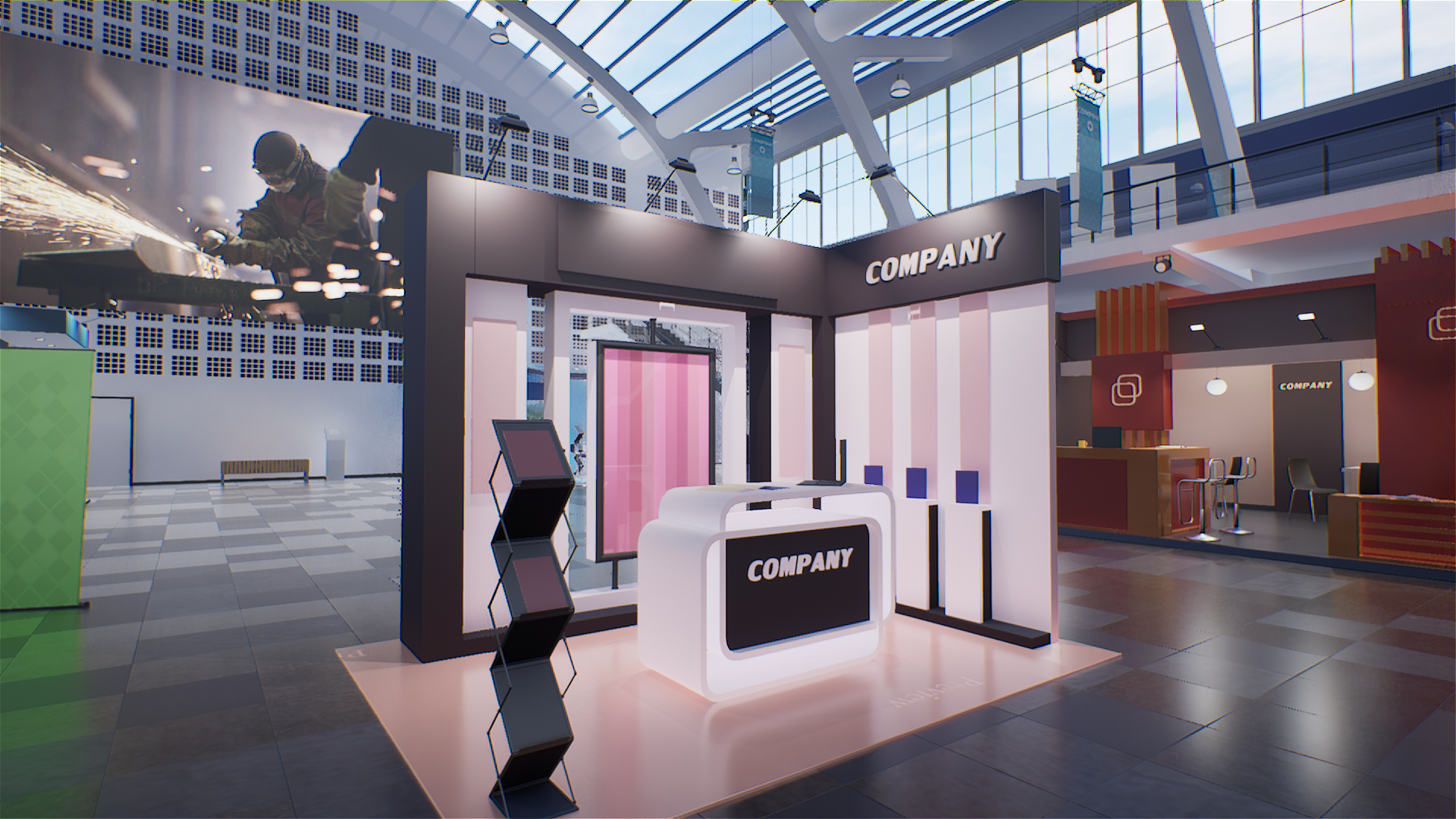
3d photoreal architectural rendering walk through.
|| Trade Show Architectural Rendering ||
3d photoreal architectural rendering walk through.
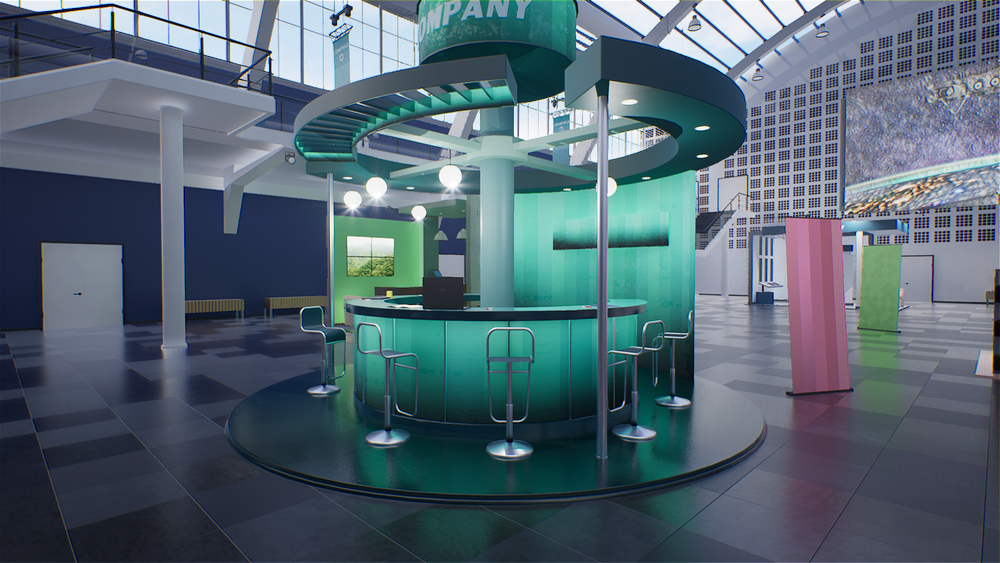
Architectural/interior walk through rendering.
Responsible for architectural 3d look development, lighting, rendering, compositing using Unreal Engine.

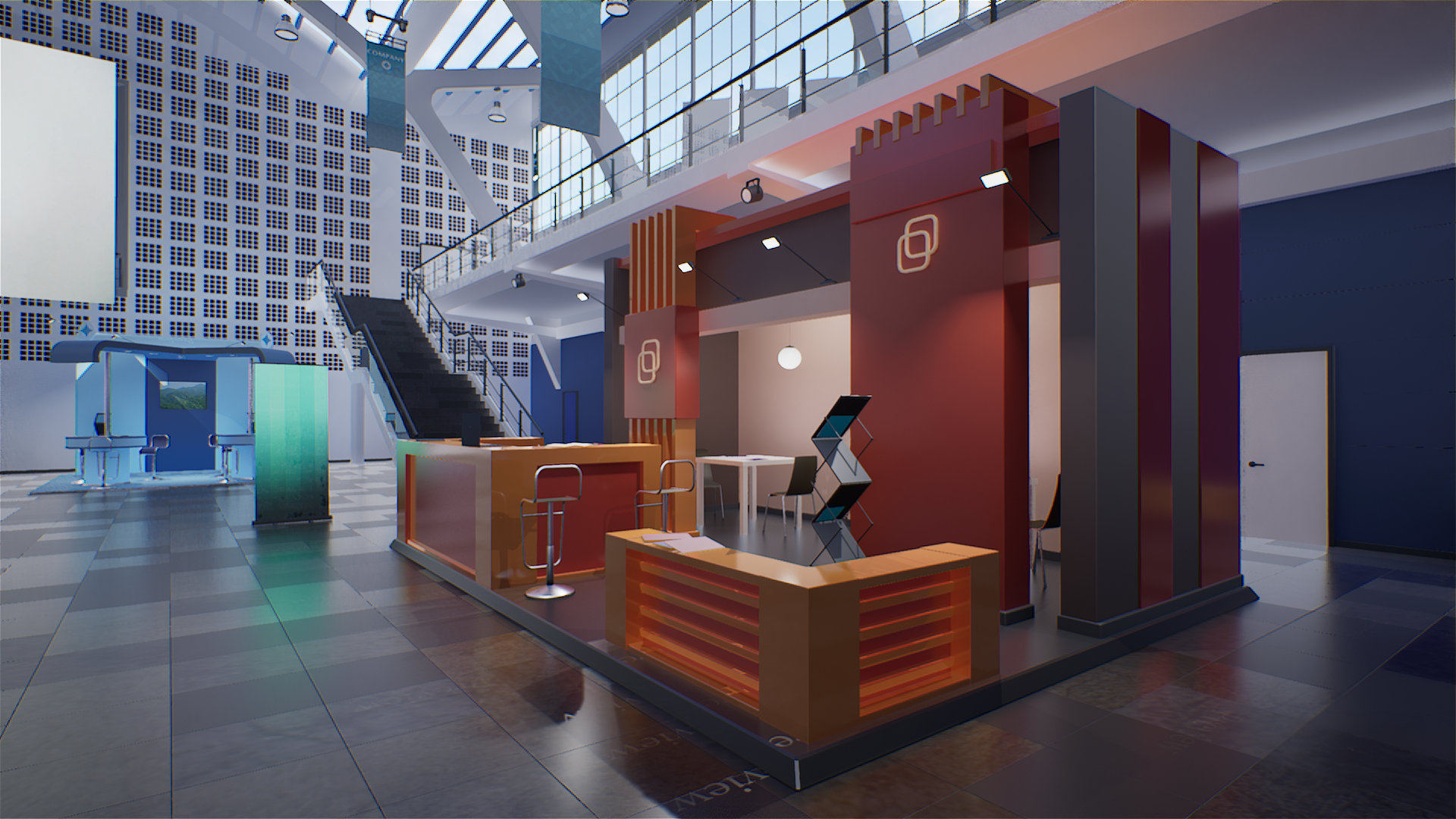


VR Walkthrough video:
|| Medical Animation ||
|| Medical Animation ||
Medical Animation
Animation work for medical, biological and more science-sensitive shows for Nat Geo Channel, Discovery Channel, PBS and more.
Responsible for final lighting, rendering and compositing. Softwares used, Maya, Arnold, Mental Ray, After Effects, Nuke.


|| CGI Artwork/ VFX 2008-2013 ||
|| CGI Artwork/ VFX 2008-2013 ||
CGI Artwork/ VFX


Animation work for various nature, creature and disaster shows for Nat Geo & Discovery Channel Programs
|| Museum Exhibits 2007-2010 ||
Project Year: 2007-2010
|| Museum Exhibits 2007-2010 ||
Project Year: 2007-2010
Museum Exhibits - National Geographic Travelling Exhibitions


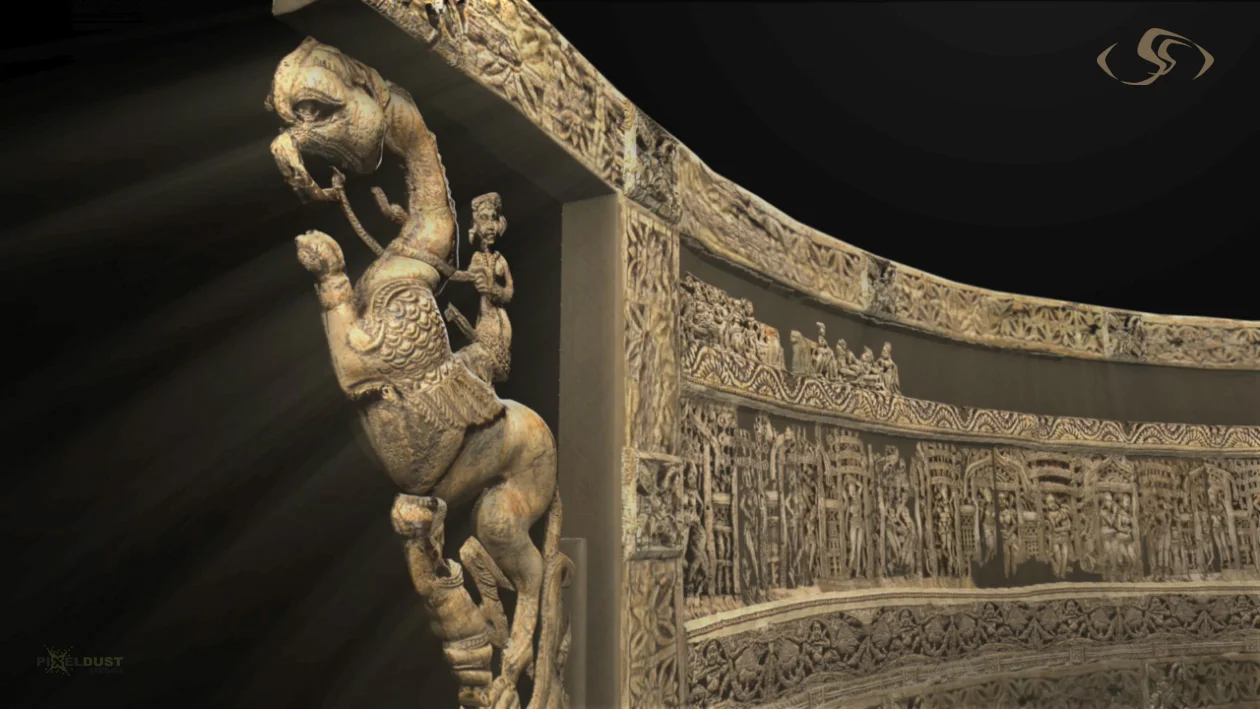
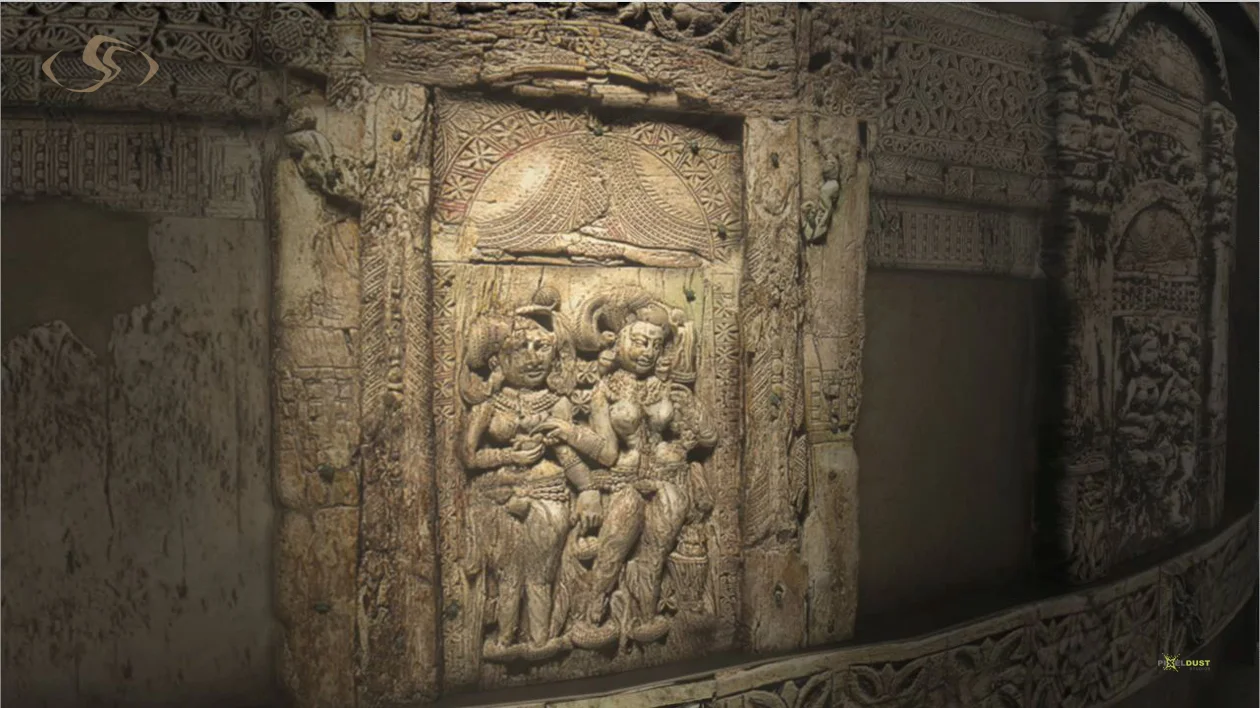


Hidden Treasures of Afghanistan Museum Exhibit - Nat Geo Traveling Exhibits–Feb ’08: Digitally reconstructed the “Begram Throne” in all its glory using Zbrush and Maya and rendered using Renderman. Throne animation exhibited at several prime museums across the USA and Europe including National Gallery of Modern Art , Wash DC, Asian Art Museum of San Francisco, The Metropolitan Museum of Art New York and the Bonn Museum ,Bonn, Germany.